Ceramic Coating vs. Paint Protection Film: Which Is Right for You in Apollo Beach in Ceramic Coating Apollo Beach, FL?
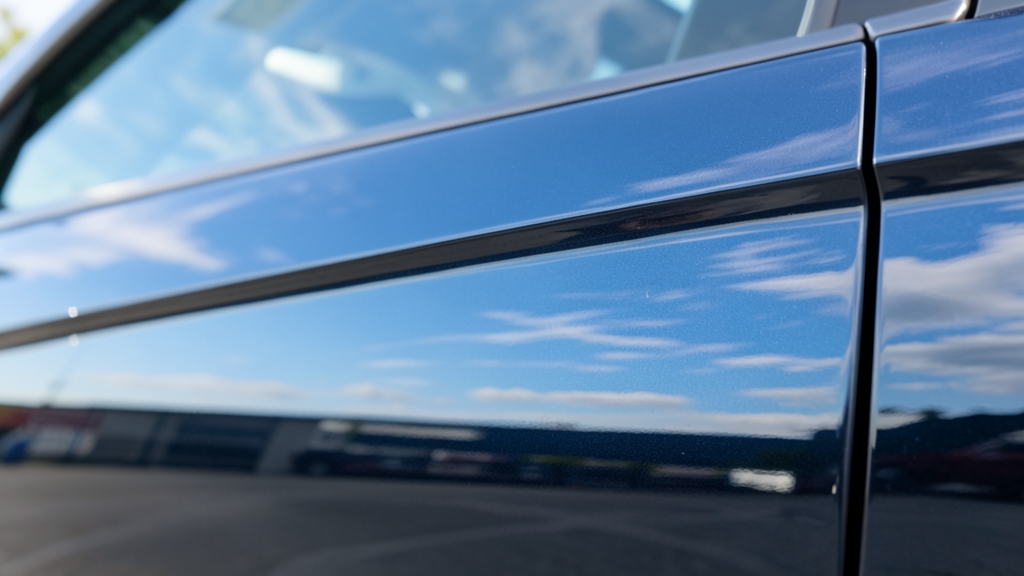
Choosing between ceramic coating and paint protection film in Apollo Beach isn’t just about shine—it’s about shielding your ride from Florida’s relentless sun, salt air, and road debris. We break down the real differences so you can drive with confidence, not compromise.
Why Apollo Beach Drivers Need More Than Wax
Florida’s UV index stays high year-round, fading and oxidizing paint faster than in cooler climates. Salt air near Tampa Bay accelerates corrosion, especially on hoods and fenders.
Wax or sealants wash away in weeks. Ceramic coatings and PPF create lasting barriers, but they protect differently—and one may suit your daily driving habits better.
What Ceramic Coating Actually Does
Ceramic coatings are liquid nano-ceramic polymers that chemically bond with your clear coat. Once cured, they form a hydrophobic, glass-like layer rated around 9H on the pencil hardness scale.
They repel water, contaminants, and UV rays, making washing easier and reducing swirl marks. However, they won’t stop rock chips or deep scratches.
A professional-grade ceramic coating enhances depth and clarity, especially after paint correction. It’s why many Ruskin and Riverview clients pair it with polishing.
How Paint Protection Film (PPF) Works
PPF is a thick, self-healing urethane film applied to high-impact areas like bumpers, hoods, and mirrors. It absorbs impacts from road debris, preventing chips and scratches.
Modern PPF is nearly invisible and often comes with a hydrophobic top coat. Unlike ceramic coatings, it’s physically sacrificial—damage the film, not your paint.
Ceramic Coating vs. PPF: Head-to-Head Comparison
Both defend against Florida’s elements, but their strengths differ. Ceramic coatings excel at UV and chemical resistance, while PPF handles physical impacts.
| Feature | Ceramic Coating | Paint Protection Film (PPF) |
|---|---|---|
| Protection Type | Chemical & UV barrier | Physical impact barrier |
| Durability | 2–5 years (pro-grade) | 5–10 years |
| Self-Healing | No (hydrophobic only) | Yes (light scratches) |
| Scratch Resistance | Moderate (9H hardness) | High (absorbs impacts) |
| Hydrophobic Effect | Strong (beading) | Moderate (varies by top coat) |
| Gloss Enhancement | High (deep shine) | Neutral (clear finish) |
| Maintenance | Low (wash & dry) | Low (wash; minor repairs possible) |
| Best For | Full-vehicle UV/chemical protection, gloss | High-impact zones, rock chip prevention |
Which One Handles Apollo Beach’s Toughest Conditions?
Salt mist from the bay etches paint over time. Ceramic coatings resist this corrosion far better than PPF, which is more about impact protection.
For daily drivers in Gibsonton or Sun City Center, combining both is ideal: PPF on the front clip and ceramic coating everywhere else. This hybrid approach tackles Florida’s dual threats—UV and road debris.
Improper PPF installation leads to peeling, bubbles, and trapped dirt. Our team uses precision-cut patterns and climate-controlled bays to ensure flawless adhesion in humid conditions.
Cost Factors: What Drives the Price?
Ceramic coating costs depend on vehicle size, paint condition, and prep work. Paint correction before coating adds time but ensures a flawless finish.
PPF pricing varies by coverage area (full front vs. partial), film thickness, and brand. Self-healing films and custom cuts for European or lifted trucks increase the investment.
In Apollo Beach, the local climate means we often recommend ceramic coatings for full-vehicle protection and PPF for high-risk zones. Request a quote to match your budget and needs.
Longevity in Florida’s Climate
Ceramic coatings last 2–5 years here, but reapplication is simpler than PPF replacement. Pro-grade coatings like Ceramic Pro or Gtechniq hold up better under constant sun exposure.
PPF can last 5–10 years, but its edges may yellow or lift in extreme heat. Regular washing and annual inspections extend its life, especially in areas like Wimauma where dust and pollen are heavy.
Can You Use Both Together?
Absolutely. Many Apollo Beach clients opt for PPF on the front bumper, hood, and fenders, then a ceramic coating over the entire vehicle—including the PPF. This maximizes protection and gloss.
The ceramic coating adds hydrophobic properties to the PPF, making maintenance easier. It’s a premium setup, but ideal for preserving resale value in Florida’s harsh conditions.
How to Decide Between Ceramic Coating and PPF
Narrow down your choice with these key considerations.
- 1Assess Your Driving Habits
Frequent highway driving in Riverview or Ruskin? PPF on the front end prevents chips. Mostly city miles? A full ceramic coating may suffice.
- 2Evaluate Your Paint’s Condition
Swirl marks or oxidation? Paint correction is required before either service. Ceramic coatings amplify flaws; PPF can hide minor imperfections.
- 3Prioritize Your Goals
Want mirror-like shine and easy cleaning? Ceramic coating wins. Need defense against road debris? PPF is non-negotiable.
- 4Consider Long-Term Maintenance
Ceramic coatings require no upkeep beyond washing. PPF may need edge sealing or patch repairs over time, especially in high-impact zones.
- 5Budget for the Climate
Florida’s sun and salt demand durable solutions. If budget allows, combining both offers the ultimate protection for Apollo Beach vehicles.
Frequently Asked Questions
Does ceramic coating prevent rock chips in Apollo Beach?
No. Ceramic coatings add hardness and chemical resistance, but they’re not thick enough to stop rock chips. For that, PPF is the better choice, especially on high-impact areas like the hood and bumper.
Can PPF be applied over a ceramic coating?
Yes, but it’s not ideal. PPF adheres best to bare clear coat. If you want both, we apply PPF first, then ceramic coating over the entire vehicle—including the film—for added hydrophobic benefits.
How often should I reapply ceramic coating in Florida?
Pro-grade ceramic coatings last 2–5 years here, but Florida’s UV and humidity can shorten that. We recommend inspecting the hydrophobic effect annually and reapplying when water stops beading properly.
Is PPF noticeable on my car in Sun City Center?
Modern PPF is nearly invisible, especially high-quality films with gloss finishes. Our team uses precision-cut patterns to ensure seamless coverage, even on curved panels.
Which is better for a boat or RV near Apollo Beach?
Both have roles. PPF protects against dock debris and trailering scratches, while ceramic coatings shield gel coat or paint from salt spray and UV fading. Many local boat owners use PPF on high-impact areas and ceramic coatings for the rest.
Do you offer ceramic coating for wheels and brake calipers in Apollo Beach?
Yes. Wheel and brake caliper ceramic coatings resist brake dust, road grime, and high temperatures. It’s a popular add-on for clients in Gibsonton and Wimauma who want easier cleaning and a showroom finish.