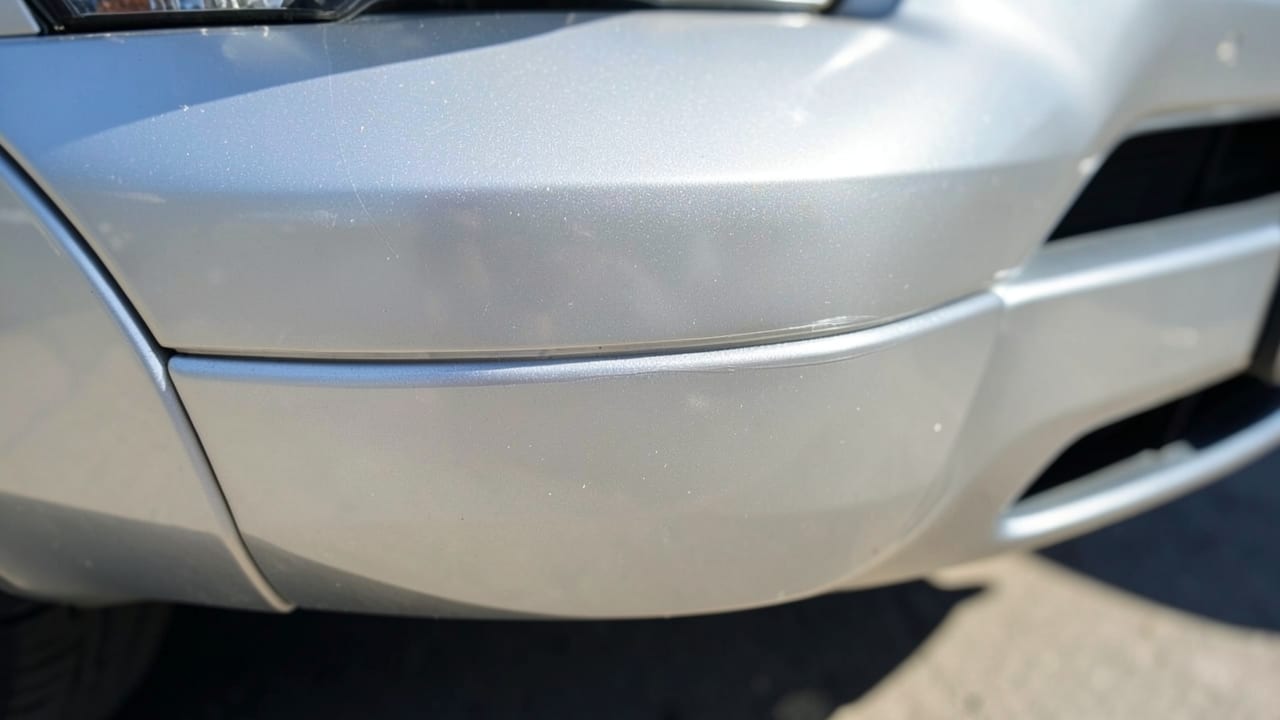
Paint Protection Film (PPF) Installation
Self-healing clear PPF installation in Apollo Beach, FL for high-impact panels or a full-body wrap — real physical protection against rock chips and road debris.
In Apollo Beach, FL, our Paint Protection Film (PPF) installation adds a clear, self-healing urethane barrier to your vehicle’s highest-impact areas—hood, bumper, fenders, mirrors, and rocker panels—or as a full-body wrap to shield against rock chips, debris, and minor abrasions while maintaining factory paint integrity.
Why PPF Over Ceramic Coating for Impact Protection
Ceramic coatings enhance gloss and repel contaminants but cannot stop physical damage like rock chips. PPF, however, acts as a thick, physical shield that absorbs impacts without compromising your vehicle’s paint. The film’s top layer also self-heals light scratches with heat, ensuring long-term clarity.
We also handle Oxidation Removal and Full-Vehicle Ceramic Coating for Apollo Beach vehicles.
For Apollo Beach drivers, especially those on I-75 or local highways, PPF is the only solution proven to prevent paint damage from road debris. We’ll assess your vehicle’s exposure and recommend coverage levels—from partial front-end kits to full wraps—based on real wear patterns seen in the area.
| Protection Type | Stops Rock Chips | Self-Healing | Physical Barrier |
|---|---|---|---|
| Paint Protection Film (PPF) | Yes | Yes (top layer) | Yes |
| Ceramic Coating | No | No | No |
Custom Coverage Options for Your Apollo Beach Vehicle
We offer tailored PPF packages to match your driving habits and budget. A partial front-end kit covers the hood edge, bumper, mirrors, and fender leading edges—high-impact zones for daily commuters. Full-hood-and-fender packages extend protection to more vulnerable areas.
For maximum defense, a full-body wrap shields every panel, including door edges and rocker panels, while maintaining a factory finish. We’ll walk your vehicle with you to identify wear patterns and recommend a suitable coverage level for Apollo Beach roads.
Common PPF Coverage Areas
- Hood and front bumper
- Fenders and mirrors
- Rocker panels and door edges
- Full-body wrap (all panels)
Precision Installation in a Dust-Controlled Environment
Each PPF panel is cut from computer-generated patterns specific to your vehicle’s make and model, ensuring a precise, wrapped-edge fit. Installation takes place in a clean, dust-controlled space to prevent debris from being trapped under the film, which can cause visible bumps or lifting over time.
Our team prioritizes prep work—thoroughly cleaning and prepping surfaces—before application. Once installed, the film is inspected for perfect alignment, and we can top it with a ceramic coating for added gloss and easier maintenance.
How PPF Installation Works
We use a meticulous process to ensure flawless protection for your Apollo Beach vehicle.
- 1Vehicle Inspection & Pattern Selection
We assess your vehicle’s make and model, then select computer-generated PPF patterns tailored to its exact dimensions for a precise fit.
- 2Surface Preparation
The vehicle is washed, decontaminated, and dried in our dust-controlled workspace to ensure no debris interferes with adhesion.
- 3Film Application
PPF panels are applied to high-impact areas, with edges wrapped and sealed to prevent lifting. We use heat to conform the film to curves and contours.
- 4Final Inspection & Optional Coating
The installation is inspected for imperfections. If requested, we apply a ceramic coating over the PPF for enhanced gloss and easier cleaning.
Frequently Asked Questions
Will PPF make my car look different or alter the paint color?
No. Our PPF is clear and color-stable, designed to blend seamlessly with your vehicle’s factory paint. The only visible difference is added protection and a slight gloss enhancement, especially if topped with a ceramic coating.
How long does PPF last in Apollo Beach’s climate?
High-quality PPF typically lasts 5–10 years, depending on exposure to sunlight, salt air, and road debris. The self-healing top layer offers additional longevity by repairing minor scratches over time.
Can PPF be removed if I want to sell my car or switch to a new film?
Yes. PPF can be safely removed by professionals without damaging the underlying paint, as long as it was installed correctly and the vehicle’s finish was in good condition beforehand.
Why is PPF more expensive than ceramic coating for the same areas?
PPF is a thicker, more labor-intensive physical barrier, while ceramic coatings are liquid applications. PPF’s material cost, precision cutting, and installation in a controlled environment justify the higher price for superior protection.
See Ellenton, FL for more, or see what's included in our Apollo Beach service for our complete lineup.
Ready to get started?
Talk to a local ceramic coating pro in Apollo Beach — get a written quote.
Other Ceramic Coating Services in Apollo Beach
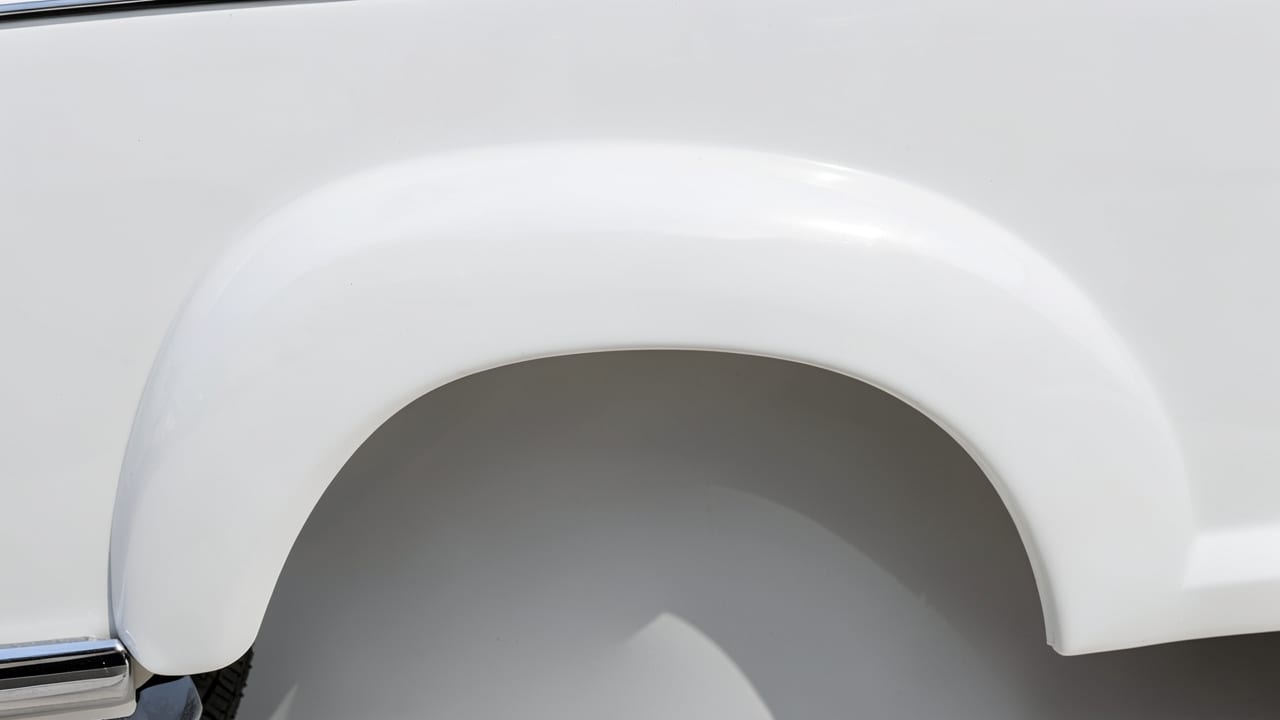
Oxidation Removal in Apollo Beach, FL
Professional removal of oxidation from vehicle paint to restore clarity and prepare surfaces for ceramic coating.
Learn More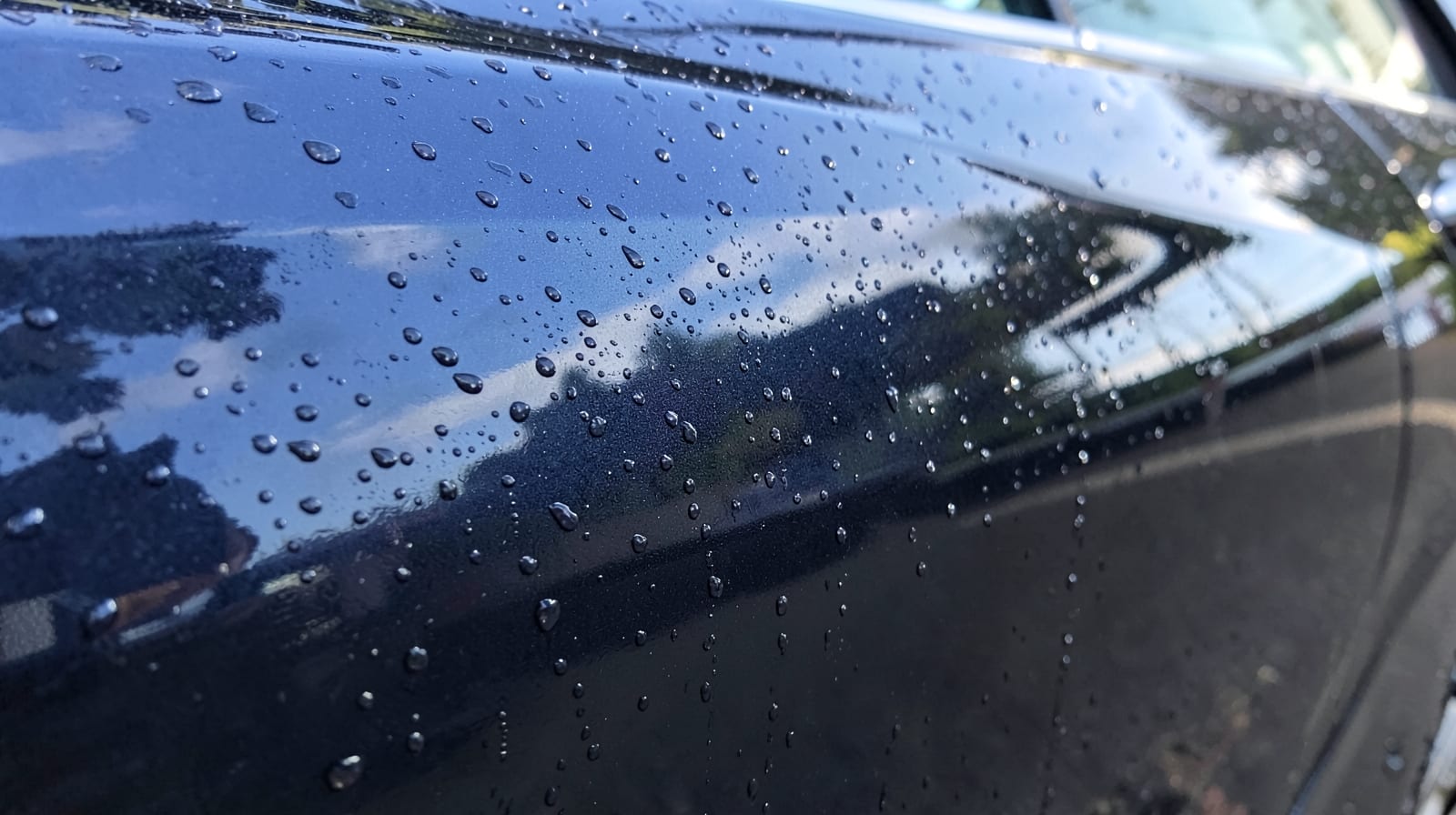
Full-Vehicle Ceramic Coating in Apollo Beach, FL
Professional nano-ceramic coating for vehicles in Apollo Beach, FL — a hard, semi-permanent SiO2 layer for deep gloss, strong hydrophobic protection, and easier washing.
Learn More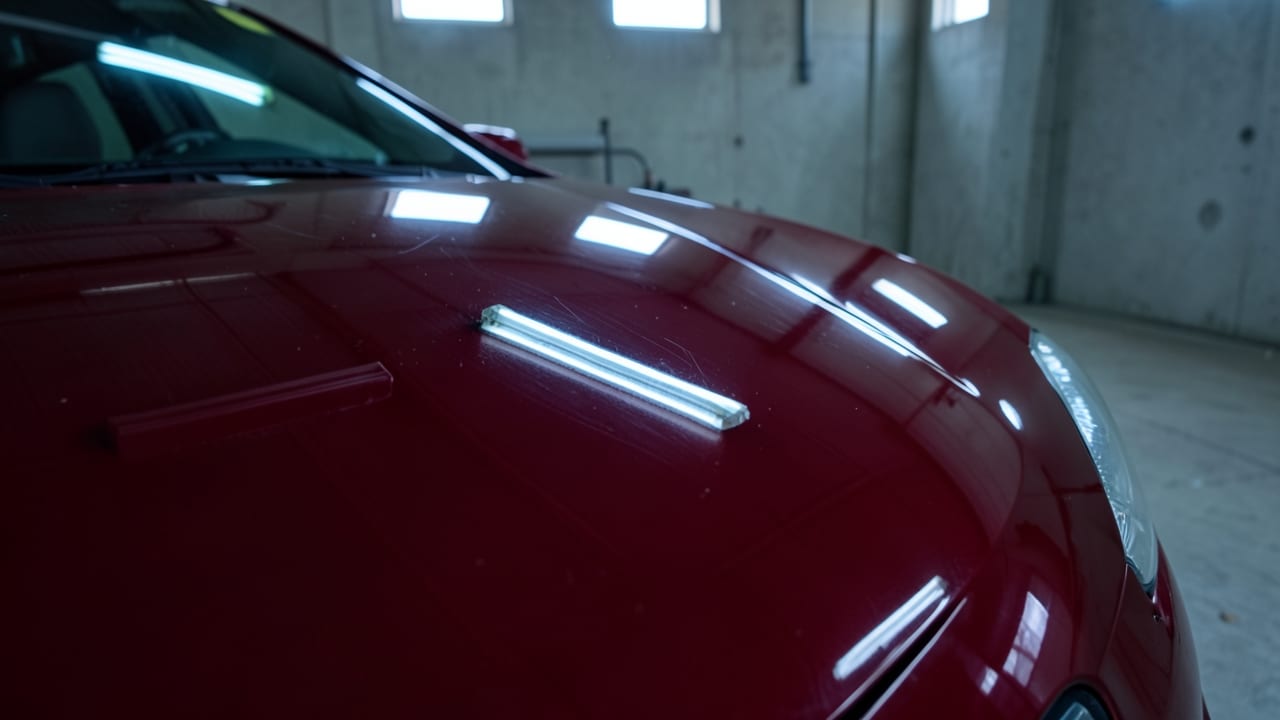
Paint Correction & Polishing in Apollo Beach, FL
Machine paint correction and polishing in Apollo Beach, FL — removes swirl marks, oxidation, and water spots, and is the mandatory first step before any ceramic coating.
Learn More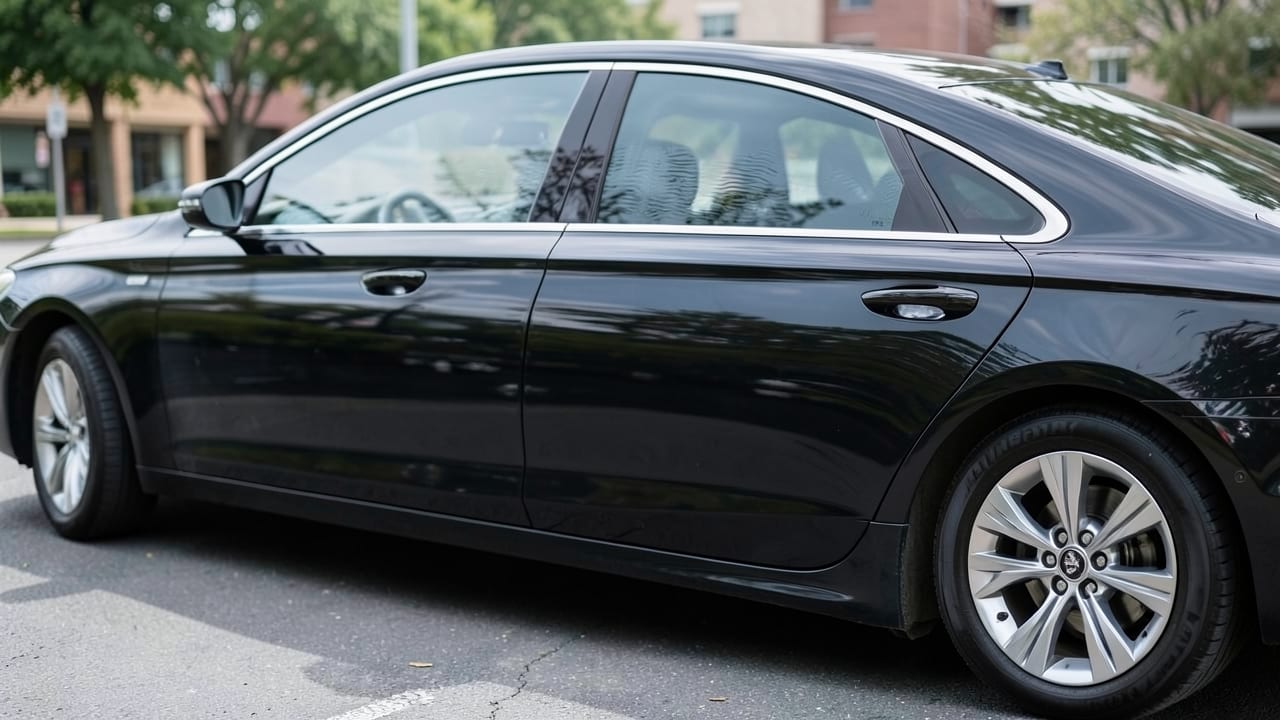
Ceramic Window Tint in Apollo Beach, FL
Nano-ceramic window tint in Apollo Beach, FL — rejects heat and blocks 99% of UV without the signal interference or fading of cheaper films.
Learn More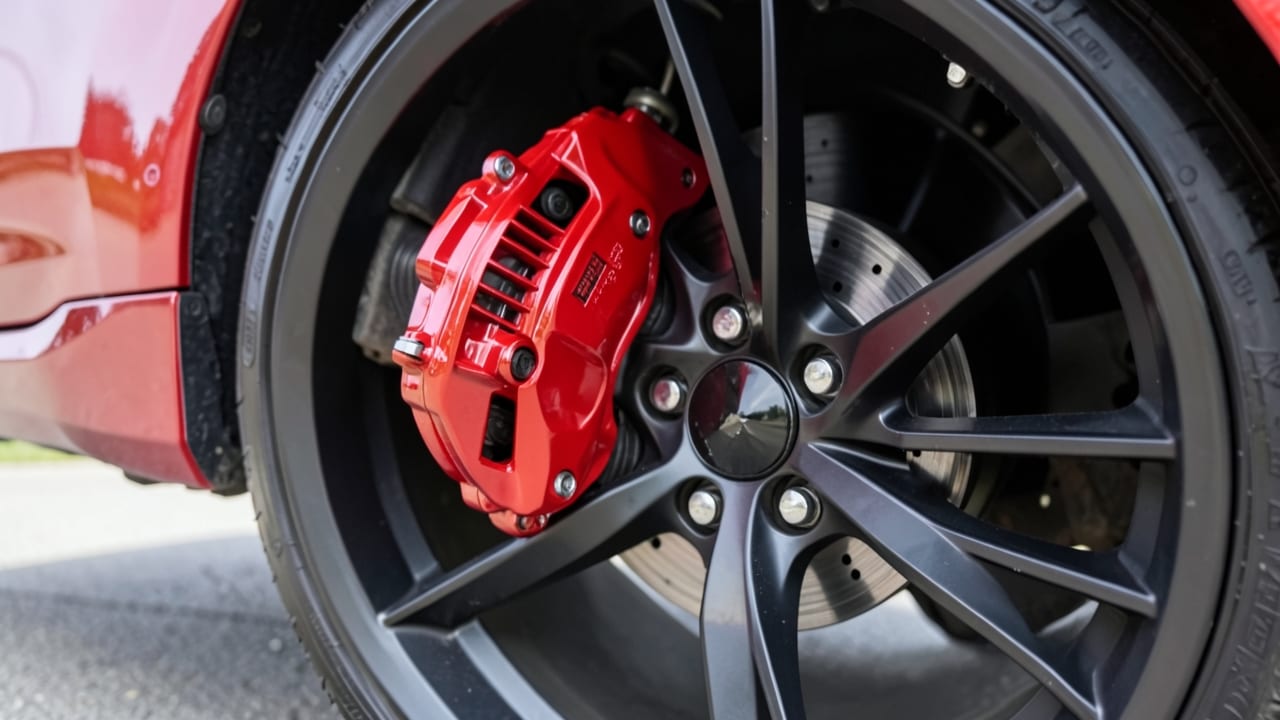
Wheel & Brake Caliper Ceramic Coating in Apollo Beach, FL
Dedicated ceramic coating for wheels and brake calipers in Apollo Beach, FL — stops brake dust and corrosive grime from bonding to the finish.
Learn More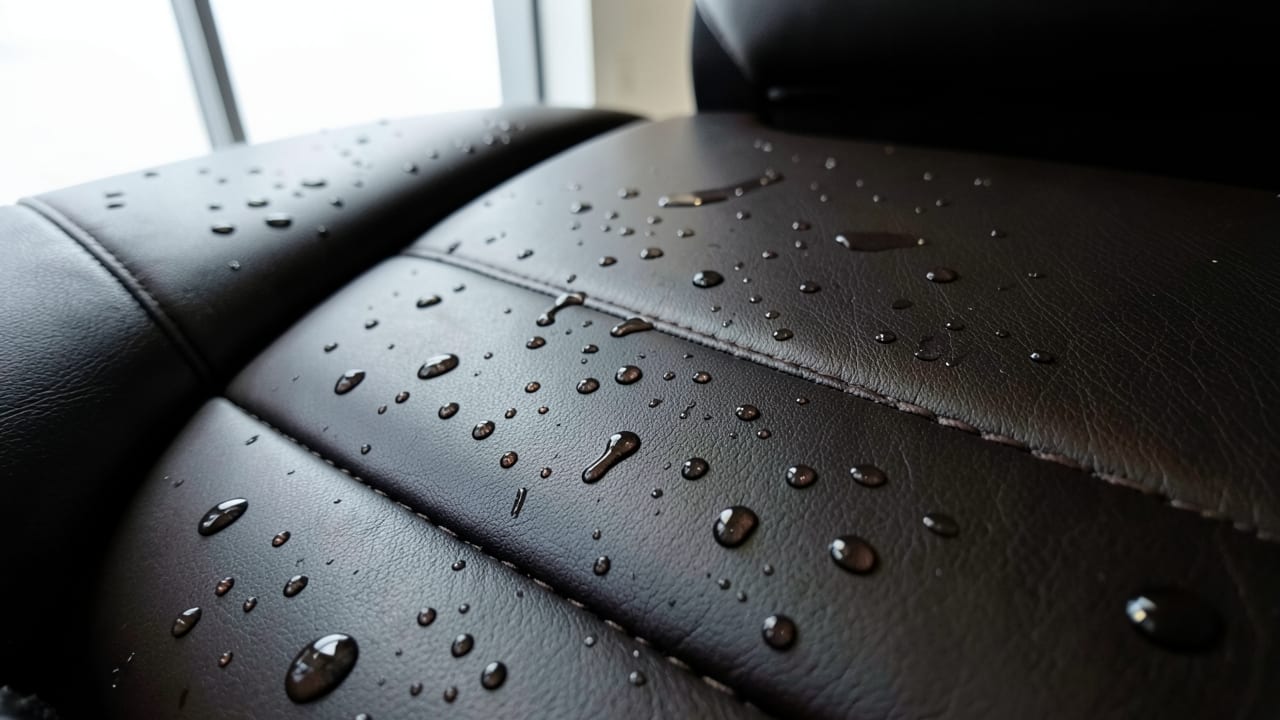
Interior Ceramic Protection in Apollo Beach, FL
Interior fabric, leather, and trim ceramic protection in Apollo Beach, FL — guards against spills, UV fading, and daily wear.
Learn MoreCommon Questions About Ceramic Coating in Apollo Beach
Everything you need to know about ceramic coating services in Apollo Beach
How much does Paint Protection Film (PPF) Installation typically cost in Apollo Beach, FL?
Does intense UV and dust in Apollo Beach, FL change coating maintenance?
Can a ceramic coating be applied over existing swirl marks or light scratches?
Is ceramic coating ever covered by comprehensive auto insurance?
Can ceramic coating be applied over a vinyl wrap or matte paint?
What does proper paint prep before a ceramic coating actually involve?
Need Ceramic Coating in Apollo Beach?
Get a written quote from our Apollo Beach crew.
⏰ We answer your call • Serving all of Apollo Beach and surrounding areas