How Ceramic Coating in Apollo Beach Saves You Money on Car Washes in Ceramic Coating Apollo Beach, FL
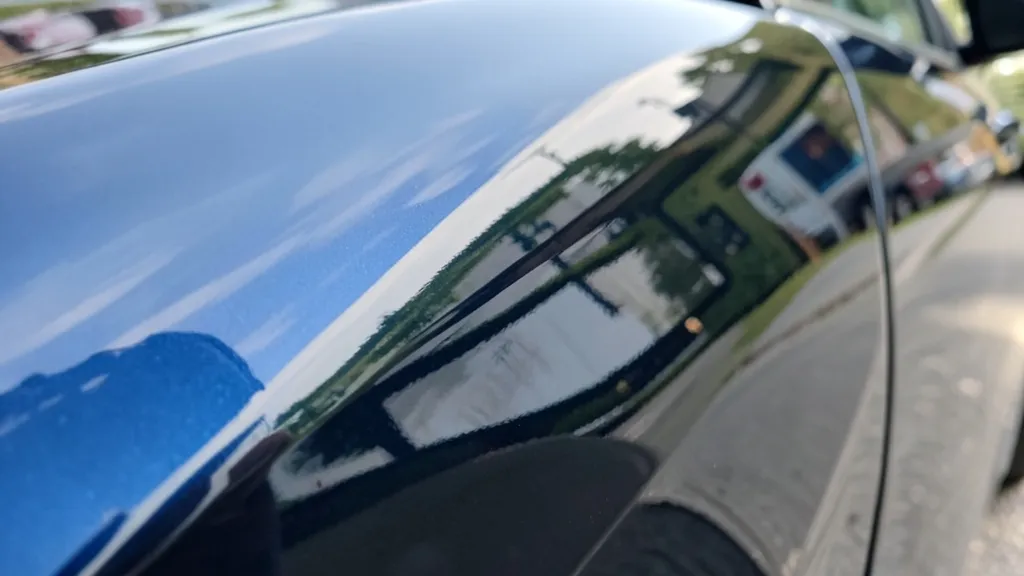
Tired of spending a fortune on weekly car washes in Apollo Beach’s salty, sun-drenched climate? Ceramic coating creates a hydrophobic barrier that repels dirt, grime, and water spots, drastically cutting your car wash frequency. It’s not just about shine—it’s a long-term investment in your vehicle’s paint and your wallet.
Why Apollo Beach’s Climate Demands Extra Paint Protection
Apollo Beach’s coastal air carries salt, sand, and UV rays that accelerate paint oxidation and fading. Without protection, your clear coat breaks down faster, leading to costly corrections or repaints.
Humidity and frequent rain also leave mineral deposits and water spots that etch into unprotected paint. Ceramic coating’s slick surface prevents these contaminants from bonding, making cleanup effortless.
How Ceramic Coating Reduces Car Wash Costs
The hydrophobic layer means dirt, bird droppings, and road grime slide off with rain or a quick rinse. You’ll visit the car wash far less often—sometimes cutting frequency by 50% or more.
When you do wash, the process is faster and requires fewer harsh chemicals. The coating’s self-cleaning effect minimizes the need for aggressive scrubbing, preserving your paint’s integrity.
After a ceramic coating application, use a pH-neutral shampoo to maintain the hydrophobic properties. Avoid automatic car washes with abrasive brushes—they can degrade the coating prematurely.
Ceramic Coating vs. Traditional Wax: A Cost-Benefit Breakdown
Wax offers temporary shine and minor protection but lasts only 1-3 months in Florida’s harsh sun. Ceramic coating, with its 9H hardness and UV resistance, can last 2-5 years with proper care.
While the upfront cost of ceramic coating is higher, the long-term savings on car washes, wax reapplications, and paint corrections make it the smarter choice for Apollo Beach drivers.
| Feature | Ceramic Coating | Traditional Wax |
|---|---|---|
| Durability | 2-5 years | 1-3 months |
| UV Protection | High (blocks 99% of UV rays) | Minimal |
| Hydrophobic Effect | Extreme (water beads and sheets off) | Moderate (water beads briefly) |
| Resistance to Contaminants | Excellent (repels salt, bird droppings, tree sap) | Poor (contaminants stick easily) |
| Maintenance | Low (pH-neutral washes only) | High (frequent reapplication needed) |
| Cost Over Time | Lower (fewer washes, no reapplication) | Higher (frequent reapplication, more washes) |
The Science Behind the Savings: How Ceramic Coating Works
Ceramic coatings use nano-ceramic particles (often SiO2 or TiO2) that bond chemically with your paint, creating a semi-permanent layer. This isn’t a surface sealant—it’s a molecular shield.
The coating’s ultra-smooth surface reduces surface tension, so water and dirt can’t adhere. This means less frequent washing and no more scrubbing to remove stubborn stains.
Paint Correction: The Critical First Step for Apollo Beach Vehicles
Before applying ceramic coating, we perform paint correction to remove swirl marks, oxidation, and water spots. Skipping this step locks in imperfections under the coating.
In Apollo Beach, vehicles often have sun damage or salt-induced etching. Our team uses dual-action polishers and fine abrasives to restore your paint to a mirror finish.
Improper paint correction can cause permanent damage. Always trust a professional with experience in Apollo Beach’s unique conditions.
Beyond Paint: Ceramic Coating for Wheels, Glass, and Interiors
Wheels and brake calipers take a beating from brake dust and road grime. A ceramic coating on these parts makes cleaning as simple as a water rinse, reducing the need for harsh wheel cleaners.
Ceramic window tint and interior ceramic protection add UV resistance and easier maintenance. For fleet or commercial vehicles in Ruskin or Gibsonton, these coatings cut downtime for cleaning.
How Often Should You Wash a Ceramic-Coated Car in Apollo Beach?
Even with ceramic coating, regular maintenance is key. We recommend a gentle wash every 2-4 weeks to remove surface contaminants before they bond.
After heavy rain or salt exposure (common near the coast), a quick rinse with the two-bucket method keeps the coating performing at its best.
Ceramic Coating Maintenance Checklist
- Wash with pH-neutral shampoo every 2-4 weeks
- Use the two-bucket method to avoid swirls
- Dry with a microfiber towel to prevent water spots
- Avoid automatic car washes with brushes
- Apply a ceramic boost spray every 3-6 months
Long-Term Savings: Fewer Repairs, More Resale Value
Ceramic coating protects against Apollo Beach’s biggest paint enemies: UV rays, salt, and bird droppings. This means fewer paint corrections, touch-ups, or full repaints over time.
A well-maintained ceramic-coated vehicle retains its gloss and color, boosting resale value. Buyers in Riverview or Sun City Center notice the difference—and are willing to pay for it.
How to Extend Your Ceramic Coating’s Lifespan in Apollo Beach
Maximize your coating’s performance and savings with these simple steps.
- 1Wash Regularly, But Gently
Use a pH-neutral car shampoo and microfiber wash mitts. Avoid harsh chemicals or abrasive sponges that can degrade the coating.
- 2Dry Thoroughly
Water spots can still form if left to dry. Use a clean microfiber towel or a blower to remove water after washing.
- 3Avoid Automatic Car Washes
Brushes and harsh detergents in automatic washes can strip the coating. Stick to hand washes or touchless options.
- 4Apply a Ceramic Boost Spray
Every 3-6 months, use a SiO2-based spray to refresh the hydrophobic properties and extend the coating’s life.
- 5Park Smart
Minimize sun exposure by parking in a garage or under a cover. This reduces UV stress on both the coating and your paint.
Frequently Asked Questions
How much can I save on car washes with ceramic coating in Apollo Beach?
Most drivers cut their car wash frequency by 50% or more. The exact savings depend on your driving habits and how well you maintain the coating. Request a quote to see how the upfront cost compares to your current car wash spending.
Does ceramic coating prevent all scratches and swirl marks?
Ceramic coating adds a hard, protective layer (9H hardness) that resists light scratches and swirls. However, it’s not scratch-proof—deep scratches from keys or rocks can still occur. For full protection, consider adding paint protection film (PPF) to high-impact areas.
Is ceramic coating worth it for older cars in Apollo Beach?
Absolutely. Older cars often have faded or oxidized paint that benefits greatly from ceramic coating. We’ll perform paint correction first to restore the finish, then apply the coating to lock in the results. It’s a cost-effective way to rejuvenate an older vehicle’s appearance.
Can I apply ceramic coating myself, or should I hire a pro?
DIY ceramic coating kits are available, but professional application ensures proper paint correction, even coverage, and long-lasting results. In Apollo Beach’s climate, mistakes can be costly—trust our team to do it right the first time.
How does ceramic coating perform in Apollo Beach’s rainy season?
The hydrophobic properties actually improve during rainy seasons. Water beads and sheets off instantly, carrying dirt and contaminants with it. This self-cleaning effect reduces the need for manual washing, even in heavy rain.
Do you offer ceramic coating for boats or RVs in Apollo Beach?
Yes! While we specialize in automotive ceramic coating, our techniques and products can also protect boats, RVs, and even fleet vehicles in areas like Wimauma or Gibsonton. The same principles apply: UV protection, hydrophobic surfaces, and easier maintenance.