How Long Does Paint Correction Last Before Ceramic Coating in Apollo Beach, FL?
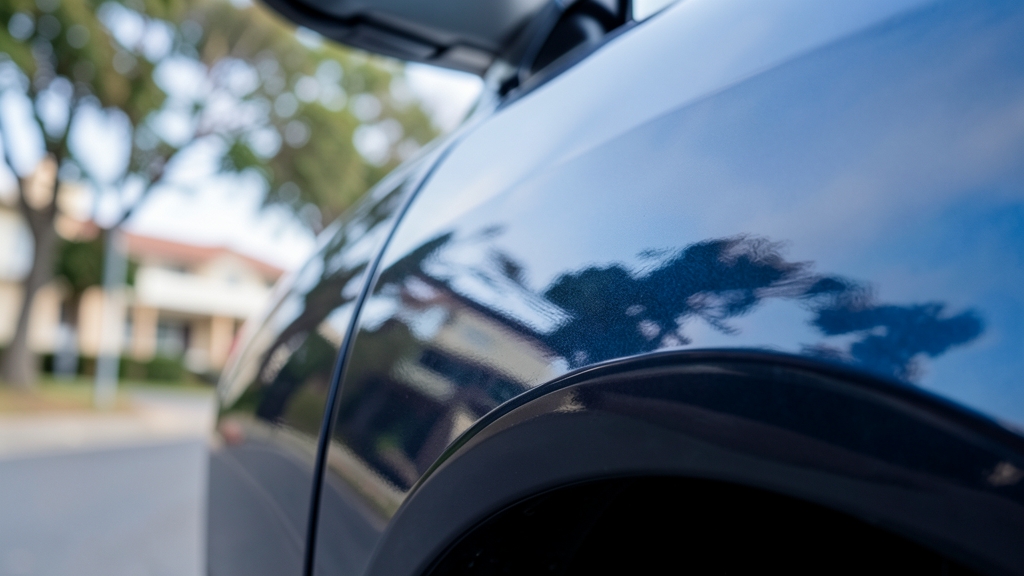
Paint correction is the foundation of a flawless ceramic coating application. In Apollo Beach’s humid, salt-air climate, improper prep can cut your coating’s lifespan in half. Our team explains how long corrected paint stays pristine and why timing matters before sealing it with a ceramic layer.
Why Paint Correction Is Non-Negotiable Before Ceramic Coating
Ceramic coatings bond permanently to the clear coat, locking in whatever’s underneath. Swirls, oxidation, or water spots trapped beneath the coating become permanent eyesores.
In Apollo Beach, salt spray and UV exposure accelerate paint degradation. Correction removes these defects so the ceramic layer adheres to a truly smooth, clean surface.
Skipping this step risks a ‘glossy but flawed’ finish. The coating amplifies imperfections, making them more noticeable under Florida’s bright sunlight.
Applying ceramic coating over uncorrected paint may void manufacturer coverage. Always verify paint thickness with a gauge before and after polishing.
How Long Paint Correction Results Last Without a Ceramic Coating
In ideal conditions, a professional paint correction can maintain 80-90% of its clarity for 6-12 months. But Apollo Beach’s climate shortens this window.
Salt air, pollen, and intense UV rays break down the clear coat faster. Without protection, corrected paint may show new swirls or oxidation in as little as 3-4 months.
Regular washing with pH-neutral soaps and immediate removal of bird droppings or tree sap can extend the corrected finish’s life slightly.
Paint Correction vs. Ceramic Coating Longevity: A Side-by-Side
Paint correction is a one-time process that restores clarity but offers no ongoing protection. Ceramic coating adds a sacrificial layer that resists future damage.
In Apollo Beach, the combination is critical. Correction fixes existing flaws; the coating preserves the finish against the elements.
| Aspect | Paint Correction | Ceramic Coating |
|---|---|---|
| Purpose | Restores paint clarity | Protects and enhances paint |
| Longevity (Unprotected) | 3-12 months | 2-5 years (with maintenance) |
| UV Resistance | None | High |
| Salt/Air Contaminant Resistance | None | High |
| Maintenance Required | Frequent washing | Periodic reapplication of maintenance spray |
Factors That Shorten Paint Correction Longevity in Apollo Beach
Florida’s sun is relentless. UV rays degrade clear coat binders, causing corrected surfaces to haze faster than in cooler climates.
Salt from Tampa Bay accelerates oxidation, especially on horizontal surfaces like hoods and roofs. Even corrected paint needs immediate protection.
Improper washing techniques—like using automatic car washes with harsh brushes—reintroduce swirl marks within weeks.
Apollo Beach-Specific Threats to Corrected Paint
- Salt air from Tampa Bay
- High UV index year-round
- Pollen and tree sap in spring
- Frequent rain with acidic contaminants
- Automatic car wash brushes
The Ideal Timeline: Correction to Coating Application
We recommend applying ceramic coating within 72 hours of paint correction. This minimizes exposure to contaminants that could re-adhere to the fresh surface.
In Apollo Beach, the window is tighter. Humidity and salt air can start degrading the corrected surface within 24-48 hours, so we often coat the quick.
If you must delay, park the vehicle indoors and avoid driving. Even a short trip can deposit road grime or salt that compromises the prep work.
For best results, combine paint correction and ceramic coating in one session. This ensures no environmental contaminants interfere with the bond.
Does Paint Correction Damage Your Clear Coat?
Done correctly, paint correction removes only a microscopic layer of clear coat—typically 0.1 to 1 micron per pass. Professional-grade polishes and pads are designed to minimize material removal.
The risk comes from over-polishing. Inexperienced detailers or aggressive compounds can thin the clear coat, leading to premature failure or even burn-through.
We use a paint thickness gauge to monitor clear coat depth before, during, and after correction. This ensures we never compromise the paint’s integrity.
Extending Results with Ceramic Coating in Apollo Beach and Nearby Areas
Ceramic coating acts as a shield, preserving the corrected finish for years. In Ruskin or Gibsonton, where salt exposure is similar, this combo is just as critical.
For vehicles in Riverview or Sun City Center, pollen and dust are bigger concerns. A ceramic top layer makes cleaning easier and prevents contaminants from bonding to the paint.
Wimauma’s rural roads kick up more debris. Here, pairing paint correction with Paint Protection Film (PPF) on high-impact areas adds an extra layer of defense.
Maintaining Your Corrected and Coated Finish
Wash your vehicle every 2 weeks with a pH-neutral car shampoo. Avoid dish soaps or degreasers, which strip ceramic coatings of their hydrophobic properties.
Use a microfiber wash mitt and the two-bucket method to prevent swirls. Apollo Beach’s hard water can leave mineral deposits, so dry the surface immediately with a clean microfiber towel.
Apply a ceramic maintenance spray every 3-6 months to refresh the hydrophobic layer. This is especially important after Florida’s summer storms, which can leave behind contaminants.
How to Prepare Your Vehicle for Paint Correction in Apollo Beach
Proper prep ensures your paint correction lasts as long as possible before ceramic coating.
- 1Deep Clean the Surface
Wash the vehicle with a pH-neutral shampoo and use a clay bar to remove embedded contaminants. This step is critical in Apollo Beach to eliminate salt and industrial fallout.
- 2Inspect for Damage
Check for deep scratches, chips, or peeling clear coat. These may require touch-up paint or PPF before correction.
- 3Measure Paint Thickness
Use a paint thickness gauge to ensure there’s enough clear coat for safe polishing. Most vehicles have 4-6 mils of clear coat; we never remove more than 25-30%.
- 4Choose the Right Compound and Pad
Select a compound and polishing pad based on the defect severity. For light swirls, a fine polish and foam pad suffice. For heavy oxidation, a heavier compound and wool pad may be needed.
- 5Work in Sections
Polish one panel at a time, using slow, overlapping passes. Keep the surface lubricated to avoid heat buildup, which can damage the clear coat.
- 6Inspect Under Different Lighting
After polishing, inspect the panel under halogen, LED, and natural light to ensure all defects are removed. Apollo Beach’s bright sunlight reveals imperfections easily.
Frequently Asked Questions
Can I apply ceramic coating immediately after paint correction in Apollo Beach?
Yes, and we recommend it. The corrected surface is in its optimal state, free of contaminants. In Apollo Beach’s climate, waiting more than 24-48 hours risks re-exposure to salt or UV damage.
How do I know if my paint needs correction before ceramic coating?
Run your fingers over the surface. If you feel roughness, or if swirl marks or oxidation are visible under direct light, correction is necessary. A professional inspection with a paint thickness gauge and high-intensity light is the most accurate way to assess.
Will paint correction remove deep scratches?
Paint correction can minimize the appearance of light to moderate scratches, but deep scratches that penetrate the clear coat or base paint require touch-up paint or PPF. Correction polishes the surface, not fills or repairs deep damage.
Is paint correction worth it for older vehicles in Apollo Beach?
Absolutely. Older vehicles often have heavy oxidation or swirls from years of exposure to Florida’s sun and salt air. Correction restores the paint’s clarity, and ceramic coating protects it, potentially adding years to the finish’s life.
Can I do paint correction myself before ceramic coating?
DIY paint correction is possible for minor defects, but it carries risks. Over-polishing can thin the clear coat, and improper technique may leave holograms or new swirls. For best results—especially before a long-term investment like ceramic coating—we recommend professional correction.
Does ceramic coating eliminate the need for future paint correction in Apollo Beach?
Ceramic coating significantly reduces the need for frequent correction by protecting the paint from UV damage, salt, and contaminants. However, it’s not invincible. Over time, you may still need light correction to address new swirls or water spots, though far less often than without the coating.