How to Safely Remove and Reapply Ceramic Coating Without Damaging Paint in Apollo Beach in Ceramic Coating Apollo Beach, FL
Ceramic coatings are a game-changer for vehicle paint protection, but even the best applications don’t last forever. In Apollo Beach’s harsh sun and salty air, knowing how to remove and reapply ceramic coating safely is key to preserving your car’s finish. We’ll walk you through the professional process step by step.
Why Ceramic Coatings Fail in Apollo Beach’s Climate
Florida’s intense UV rays, high humidity, and salt air accelerate ceramic coating degradation. Over time, the hydrophobic layer weakens, and water spotting or oxidation can set in.
Improper maintenance, like using harsh soaps or automatic car washes, also breaks down the coating faster. Even high-quality nano-ceramic polymers need refreshing every 2-5 years.
Skipping paint correction before reapplication can trap swirls and scratches under the new coating. Always start with a clean, defect-free surface.
Signs Your Ceramic Coating Needs Removal and Reapplication
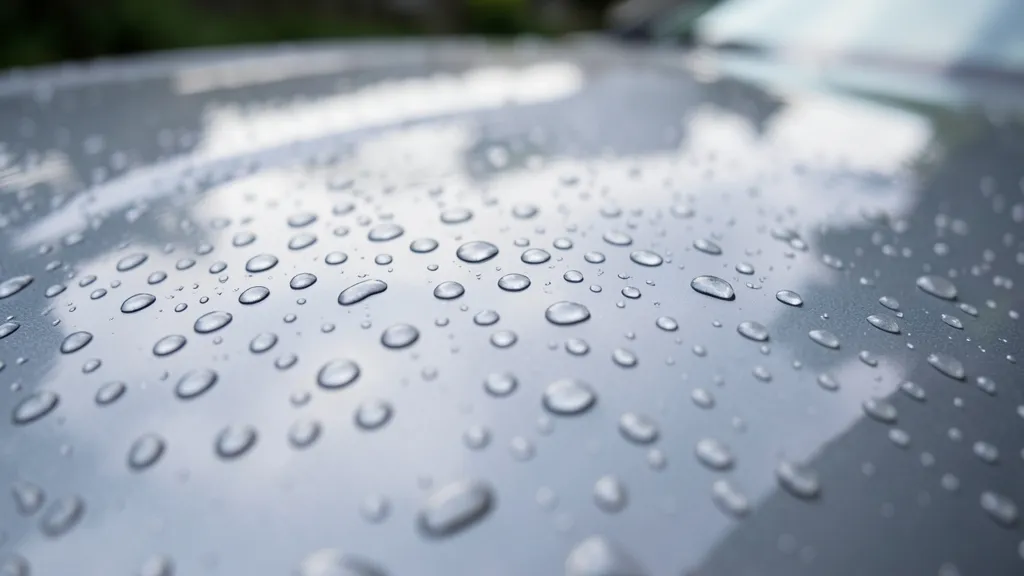
Water no longer beads or sheets off the surface. Instead, it pools or leaves behind mineral deposits, a clear sign the hydrophobic properties are gone.
Visible swirl marks, oxidation, or a dull finish mean the coating is no longer protecting the clear coat. In Apollo Beach, salt residue can also etch into unprotected paint.
If the coating feels rough or gritty, it’s likely contaminated with embedded dirt or failed bonding. This requires full removal before reapplying.
Tools and Materials You’ll Need for Safe Removal
A high-quality clay bar and lubricant remove surface contaminants without scratching. Follow this with a thorough wash using pH-neutral car shampoo.
Polishing compounds (light to medium cut) and a dual-action polisher restore the paint’s clarity. Microfiber towels and IPA (isopropyl alcohol) ensure a residue-free surface.
For stubborn coatings, a dedicated ceramic coating remover may be needed. Avoid abrasive pads or harsh chemicals that can damage the clear coat.
Essential Removal Tools
- Clay bar and lubricant
- Dual-action polisher with foam pads
- Light and medium-cut polishing compounds
- pH-neutral car shampoo
- Isopropyl alcohol (70% or higher)
- Microfiber towels
- Ceramic coating remover (if needed)
Step-by-Step: Removing the Old Ceramic Coating
Start with a deep clean. Wash the vehicle, then use a clay bar to remove embedded contaminants. This prep is critical for even removal.
Next, use a dual-action polisher with a light-cut compound to break down the coating’s bond. Work in small sections, applying moderate pressure in a cross-hatch pattern.
Follow with a medium-cut compound if residue remains. Finish with an IPA wipe-down to remove all oils and polishing residues, leaving a bare, clean surface.
Always test a small, hidden area first to confirm the coating is fully removed before proceeding with the entire vehicle.
Paint Correction: The Critical Step Before Reapplication
Removing the old coating often reveals swirls, scratches, or oxidation. Paint correction restores the finish to a mirror-like state before the new coating is applied.
This step is non-negotiable. Applying ceramic coating over imperfect paint locks in defects, reducing both aesthetics and protection. In Apollo Beach, this is especially important due to the sun’s fading effects.
Professional-grade correction involves multiple stages of polishing, tailored to your paint’s condition. It’s a skill that separates amateur jobs from expert results.
Ceramic Coating vs. Paint Protection Film: Which to Choose After Removal?
Ceramic coatings offer long-lasting UV protection, hydrophobic properties, and a deep gloss. They’re ideal for daily drivers and show cars but require reapplication every few years.
Paint Protection Film (PPF) provides a physical barrier against rock chips, scratches, and salt damage—common in Apollo Beach’s coastal roads. It’s self-healing but less glossy than ceramic coatings.
Many owners combine both: PPF for high-impact areas (hood, bumper) and ceramic coating for the rest of the vehicle. This hybrid approach maximizes protection and aesthetics.
| Feature | Ceramic Coating | Paint Protection Film (PPF) |
|---|---|---|
| Protection Type | Chemical (nano-ceramic) | Physical (urethane film) |
| Durability | 2-5 years | 5-10 years |
| Self-Healing | No | Yes (minor scratches) |
| Gloss Enhancement | High | Moderate |
| Impact Resistance | Low | High |
| Maintenance | Low (regular washing) | Low (but requires professional installation) |
| Cost Factors | Varies by layers, prep work | Varies by coverage area, film type |
Reapplying Ceramic Coating Like a Pro
After paint correction, the surface must be 100% clean and dry. Any oils or residues will prevent proper bonding. Use IPA to ensure a pristine base.
Apply the ceramic coating in small sections using a foam applicator. Work in a cross-hatch pattern for even coverage. Allow the product to flash (typically 1-5 minutes) before buffing off with a microfiber towel.
Layering is key. Most professional-grade coatings require 2-3 layers for maximum durability, with 24 hours of curing time between each. Avoid water exposure during this period.
Post-Application Care for Long-Lasting Results in Apollo Beach
Avoid washing the vehicle for at least 7 days after application. When you do, use pH-neutral shampoo and the two-bucket method to prevent swirls.
Regular maintenance washes (every 2 weeks) and annual decontamination (clay bar, iron remover) extend the coating’s life. In Apollo Beach, salt removal is critical—rinse frequently after beach trips.
Park in a garage or under a cover to shield the coating from UV rays and bird droppings, which can etch the surface if left untreated.
How to Test if Your Ceramic Coating Is Fully Removed
Before reapplying, confirm the old coating is gone to avoid bonding issues.
- 1Water Test
Spray water on the surface. If it beads heavily, the coating is still present. Properly removed paint will sheet water but not bead.
- 2Tape Test
Apply a piece of painter’s tape, press firmly, then rip it off. If the tape pulls away cleanly, the coating is likely removed. Residue on the tape indicates remaining product.
- 3IPA Wipe
Wipe the surface with isopropyl alcohol on a microfiber towel. If the towel remains clean, the surface is ready. Any residue means more polishing is needed.
- 4Visual Inspection
Under direct sunlight, check for gloss consistency. Uneven shine or hazy spots suggest leftover coating or polishing marks.
- 5Touch Test
Run your fingers over the paint. A properly stripped surface should feel smooth, not slick or waxy.
Frequently Asked Questions
How often should I reapply ceramic coating in Apollo Beach?
In Apollo Beach’s climate, most ceramic coatings last 2-3 years. High-end professional coatings can stretch to 4-5 years with meticulous care. Factors like parking location, driving habits, and maintenance routines all play a role. Request a quote to assess your vehicle’s specific needs.
Can I remove ceramic coating myself, or should I hire a pro?
DIY removal is possible with the right tools and patience, but it’s risky. Improper polishing can damage the clear coat, and incomplete removal leads to poor bonding. For vehicles in Apollo Beach, where paint correction is often needed due to sun damage, we recommend professional service.
Will removing ceramic coating damage my paint?
Not if done correctly. The key is using the right compounds and techniques to avoid over-polishing. Always follow up with paint correction if swirls or scratches are exposed. In Apollo Beach, where oxidation is common, this step is even more critical.
What’s the difference between ceramic coating and wax in terms of removal?
Wax is much easier to remove—it dissolves with soap or dedicated wax removers. Ceramic coatings are chemically bonded and require mechanical polishing or specialized removers. Wax also lasts weeks to months, while ceramic coatings protect for years, making them the better choice for Apollo Beach’s harsh conditions.
Do you offer ceramic coating services for boats or RVs in Apollo Beach?
Yes, we extend our ceramic coating expertise to boats, RVs, and fleet vehicles. The same principles apply, but we tailor the process for marine-grade materials or larger surfaces. Areas like Ruskin, Gibsonton, and Riverview also benefit from our mobile services for these vehicles.
Can ceramic coating be applied over existing paint protection film (PPF)?
Yes, and it’s a popular combo in Apollo Beach. Applying ceramic coating over PPF enhances gloss and adds hydrophobic properties to the film’s surface. However, the PPF must be thoroughly cleaned and decontaminated first to ensure proper bonding.