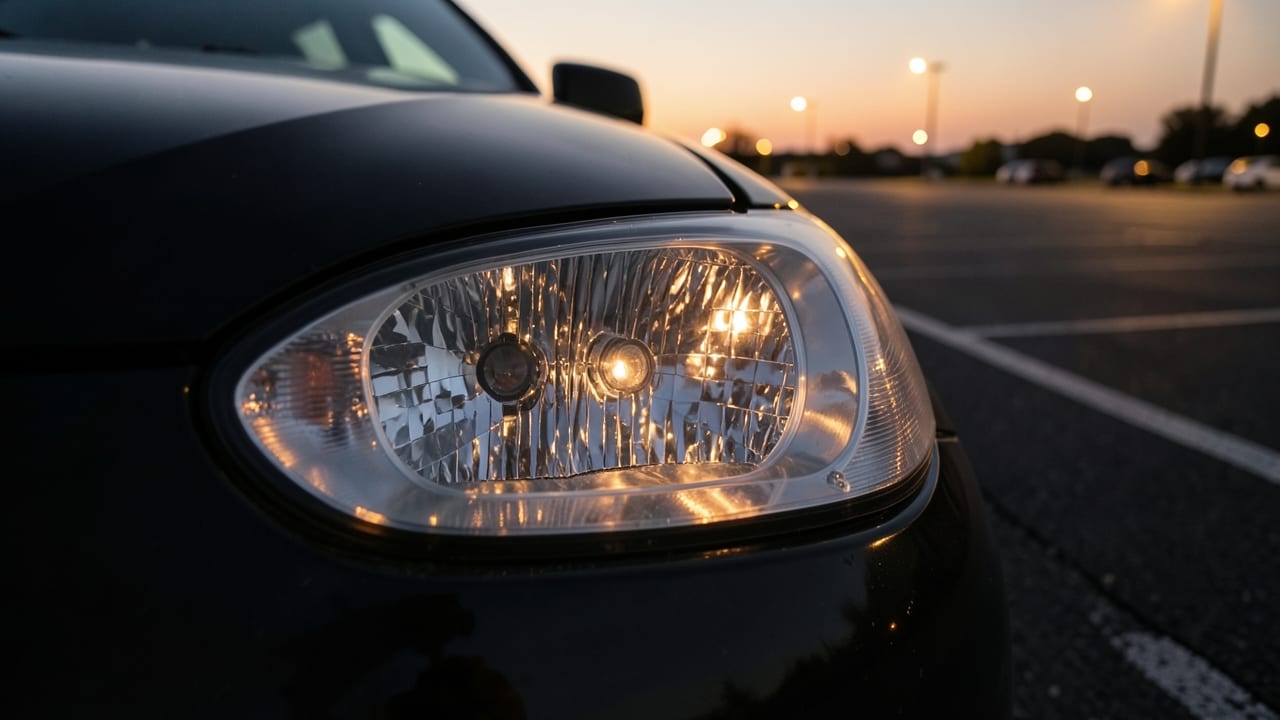
Headlight Restoration & Coating
Headlight restoration and UV-protective coating in Apollo Beach, FL — restores clarity and nighttime visibility without replacing the assembly.
In Apollo Beach, FL, cloudy or yellowed headlights reduce nighttime visibility and safety. Our headlight restoration and ceramic coating service removes oxidation, restores clarity, and protects lenses long-term—all at a fraction of the cost of replacement.
Why Headlight Restoration Matters in Apollo Beach
Apollo Beach’s intense sun accelerates UV damage to polycarbonate headlight lenses, which are coated at the factory but degrade over time. Once the UV coating fails, oxidation turns lenses yellow and hazy, scattering light and dimming your nighttime visibility.
We also handle Tree Sap Removal and Iron Particle Decontamination for Apollo Beach vehicles.
This isn’t just a cosmetic issue—it’s a safety hazard. Restoring clarity improves beam output and road visibility, while a ceramic coating prevents future oxidation far better than temporary DIY solutions.
Signs Your Headlights Need Restoration
- Cloudy, yellow, or hazy lens appearance
- Reduced nighttime visibility or dimmer beams
- Frequent need to clean lenses that still look dull
- Visible oxidation or pitting on the lens surface
Cost & Time Savings vs. Replacement
Replacing modern headlight assemblies—especially on newer vehicles—can cost hundreds per side. Restoration and ceramic coating, by contrast, restores your existing lenses to like-new condition for a fraction of that price.
The process is typically completed in under two hours, with results lasting years thanks to the UV-resistant ceramic coating’s chemical bond to the polycarbonate.
How Headlight Restoration & Coating Works
We restore optical clarity through a multi-step process, then lock in protection with a ceramic coating.
- 1Wet-Sanding
Progressive wet-sanding with coarse to fine-grit abrasives removes the oxidized, UV-damaged outer layer of the polycarbonate lens.
- 2Machine Polishing
A dual-action polisher and compound refine the lens surface to full optical clarity, eliminating haze and scratches.
- 3Surface Prep
The lens is thoroughly cleaned and decontaminated to ensure a strong bond with the ceramic coating.
- 4Ceramic Coating Application
A UV-protective ceramic coating is applied and cured, creating a durable, hydrophobic barrier that resists future oxidation.
Frequently Asked Questions
How long does the ceramic coating last compared to DIY kits?
Our ceramic coating chemically bonds to the polycarbonate and typically lasts 3–5 years or longer. DIY sprays or waxes only last a few months before hazing returns.
Will this fix cracked or foggy headlights?
Restoration works for oxidized, yellowed, or hazy lenses but cannot repair cracks or internal moisture (fogging). Those issues require replacement.
Do I need to replace my headlights if they’re just yellowed?
No. Yellowing is almost always surface oxidation, which restoration and coating can fully reverse. Replacement is only necessary for physical damage.
Is this service covered under any warranty?
Yes, we offer a limited warranty on the ceramic coating against premature failure due to defects in application or materials.
See Sun City Center, FL for more, or browse what we cover for Apollo Beach vehicles for our complete lineup.
Ready to get started?
Talk to a local ceramic coating pro in Apollo Beach — get a written quote.
Other Ceramic Coating Services in Apollo Beach
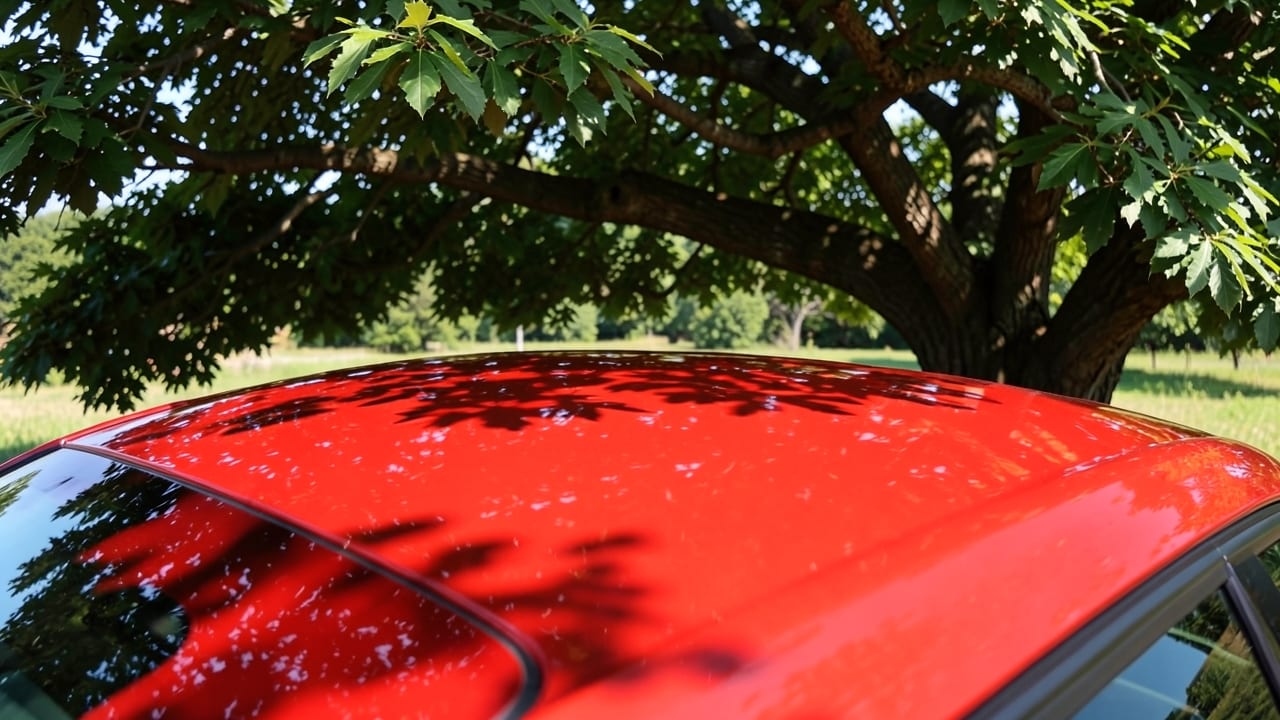
Tree Sap Removal in Apollo Beach, FL
Professional removal of tree sap from vehicle surfaces using safe, paint-friendly methods.
Learn More
Iron Particle Decontamination in Apollo Beach, FL
Removal of embedded iron particles from automotive paint using chemical solutions.
Learn More
Water Spot Removal in Apollo Beach, FL
Professional removal of water spots from ceramic-coated or painted surfaces to restore appearance.
Learn More
Road Tar Removal in Apollo Beach, FL
Professional removal of road tar from vehicle paint using safe, ceramic-friendly methods.
Learn More
Bug Splatter Removal in Apollo Beach, FL
Professional removal of insect residue from vehicle paint without damaging the ceramic coating or finish.
Learn More
Overspray Removal in Apollo Beach, FL
Removing overspray from vehicles and surfaces to restore original appearance.
Learn MoreCommon Questions About Ceramic Coating in Apollo Beach
Everything you need to know about ceramic coating services in Apollo Beach
How much does Headlight Restoration & Coating typically cost in Apollo Beach, FL?
Does intense UV and dust in Apollo Beach, FL change coating maintenance?
Is ceramic coating ever covered by comprehensive auto insurance?
Can ceramic coating be applied over a vinyl wrap or matte paint?
What does proper paint prep before a ceramic coating actually involve?
How should a coated vehicle be washed after the coating is applied?
Need Ceramic Coating in Apollo Beach?
Get a written quote from our Apollo Beach crew.
⏰ We answer your call • Serving all of Apollo Beach and surrounding areas