Ceramic Coating Apollo Beach: What to Ask Before Choosing a Brand
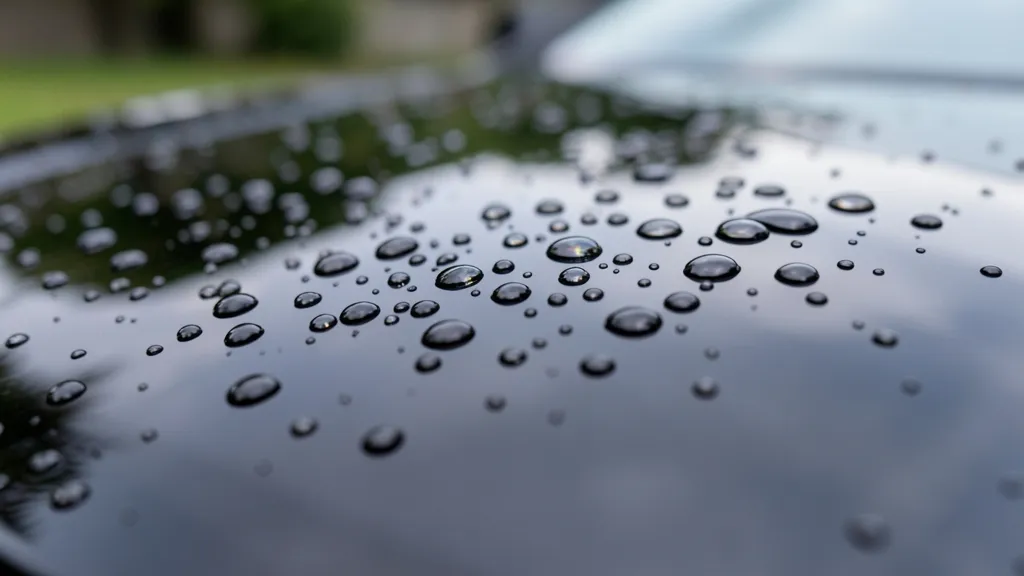
Choosing the right ceramic coating isn’t just about the brand—it’s about matching the product to your vehicle, lifestyle, and our harsh Florida climate. We’ve installed coatings on everything from daily drivers in Ruskin to luxury fleets in Riverview, and the wrong choice can cost you in longevity and finish. Ask these questions first.
Why Brand Matters More Than You Think
Not all ceramic coatings are created equal. Professional-grade coatings like Ceramic Pro, Gtechniq, and CarPro use advanced SiO2 or TiO2 formulations that bond at the molecular level, while consumer sprays offer temporary protection at best.
In Apollo Beach, salt air and UV exposure demand a coating with high chemical resistance and UV stability. A budget brand may look fine for six months, but it won’t stand up to our summers or the occasional love bug season.
What’s the Real Durability You’re Paying For?
Durability claims vary wildly—from 1 year to ‘lifetime.’ The truth? True professional coatings last 2–5 years with proper maintenance, while DIY kits rarely exceed 12 months in our climate.
Ask for third-party testing data, not just marketing hype. We’ve seen ‘5-year’ coatings fail in 18 months under Florida sun because the installer skipped critical prep steps like paint correction.
| Coating Type | Expected Lifespan (Florida Climate) | Maintenance Needs |
|---|---|---|
| Consumer Spray-On | 3–6 months | Frequent reapplication, pH-neutral washes |
| Entry-Level Professional | 1–2 years | Annual inspection, bi-weekly washes |
| Mid-Grade Professional (e.g., CarPro Cquartz) | 3–4 years | Semi-annual decontamination, monthly washes |
| Premium Professional (e.g., Ceramic Pro 9H) | 5+ years | Annual maintenance, immediate stain removal |
| Paint Protection Film (PPF) + Ceramic Top Coat | 7–10 years | Professional inspections, gentle cleaning |
Does the Coating Match Your Vehicle’s Needs?
A showroom-shine sports car in Sun City Center needs a high-gloss, hydrophobic coating, while a work truck in Wimauma benefits more from scratch resistance and chemical protection against fertilizers or road salt.
For wheels and brake calipers, we recommend a high-temp ceramic coating to handle brake dust and heat cycling. Interior ceramic protection is a game-changer for families or rideshare drivers dealing with spills and UV fading.
If you park near the water, prioritize coatings with strong salt resistance and self-cleaning properties. Hydrophobic layers reduce water spotting from morning dew or bay mist.
Who’s Doing the Installation—and Why It’s 90% of the Result
A top-tier coating applied poorly will underperform. Paint correction is non-negotiable; even minor swirls or oxidation will be locked in under the ceramic layer. Our team spends 10–20 hours prepping a full-size SUV before coating.
Ask about the installer’s certification. Brands like Ceramic Pro require factory training. In Gibsonton, we’ve seen ‘certified’ shops cut corners with cure times or layer thickness—always request proof of work on similar vehicles.
Beware of shops offering ‘quick’ ceramic coating installations. Proper curing and layering take 24–48 hours minimum for professional-grade products.
How Will You Maintain It in Florida’s Climate?
Ceramic coatings aren’t maintenance-free. Salt, pollen, and hard water minerals in Apollo Beach require regular decontamination. A pH-neutral car shampoo and a microfiber wash mitt are mandatory to avoid scratching the coated surface.
Avoid automatic car washes with harsh brushes—they’ll degrade the coating faster than hand washing. For stubborn stains (like bird droppings), use a dedicated ceramic-safe detailer spray and a soft towel.
Florida Ceramic Coating Maintenance Essentials
- Wash every 2 weeks with pH-neutral shampoo
- Use a foam cannon for pre-wash to loosen contaminants
- Dry with a clean microfiber towel to prevent water spots
- Apply a ceramic-boosting spray every 3–6 months
- Remove bird droppings, tar, or tree sap immediately
What’s the Warranty Really Covering?
Warranties often cover defects in the coating itself, not damage from improper maintenance or environmental factors. A ‘lifetime’ warranty might only apply if you return to the original installer for annual inspections—something many drivers overlook.
In Riverview, we’ve seen customers void warranties by using wax or sealants over their coating. Always confirm what voids the agreement and whether the warranty is transferable if you sell the vehicle.
Ceramic Coating vs. Paint Protection Film: When to Choose What
Ceramic coatings excel at enhancing gloss, repelling water, and simplifying cleaning. But for rock chips, deep scratches, or high-impact areas like hoods and bumpers, Paint Protection Film (PPF) is the better choice.
Many Apollo Beach drivers opt for a hybrid approach: PPF on the front end and ceramic coating on the rest of the vehicle. This balances protection and aesthetics without breaking the bank.
How to Compare Ceramic Coating Brands Like a Pro
Use this step-by-step approach to cut through the marketing noise and find the right coating for your vehicle.
- 1Check the Active Ingredient
Look for SiO2 (silica) or TiO2 (titanium dioxide) as the primary component. Higher concentrations (80%+) mean better durability and hydrophobicity.
- 2Verify Third-Party Testing
Reputable brands publish independent lab results for hardness (pencil test), UV resistance, and chemical resistance. Avoid brands that only share in-house data.
- 3Assess the Installer’s Prep Process
Ask if they include paint correction, decontamination (clay bar, iron remover), and a multi-stage polishing. Skipping these steps = a coating that won’t bond properly.
- 4Compare Maintenance Requirements
Some coatings require monthly booster sprays; others need annual professional reapplication. Match the upkeep to your schedule and budget.
- 5Review Local Climate Performance
Search for reviews or case studies from shops in Apollo Beach, Ruskin, or Sun City Center. A coating that works in dry climates may fail in our humidity.
Frequently Asked Questions
How much does a professional ceramic coating cost in Apollo Beach?
Cost depends on vehicle size, paint condition, and coating tier. A compact car with minor prep may start lower, while a full-size truck with heavy correction and a premium coating will be higher. Request a quote for an exact figure based on your vehicle’s needs.
Can I apply a ceramic coating over existing wax or sealant?
No. Wax, sealants, or old coatings must be fully removed through polishing or chemical stripping before applying a new ceramic coating. Residue will prevent proper bonding and reduce durability.
Will a ceramic coating prevent rock chips?
Ceramic coatings add a hard layer that resists minor scratches and swirls, but they won’t stop rock chips. For impact protection, consider Paint Protection Film (PPF) on high-risk areas like the hood, bumper, and fenders.
How do I know if my Apollo Beach installer is using genuine products?
Ask for the product’s serial number or batch code, and verify it with the manufacturer. Reputable installers like ours in Ceramic Coating Apollo Beach will also provide a certificate of authenticity and warranty registration.
Is ceramic coating worth it for an older car?
If the paint is in good condition, yes—a coating can restore gloss and protect the finish. But if the clear coat is peeling or there’s heavy oxidation, paint correction or respraying may be needed first. We often combine coating with headlight restoration for older vehicles.
Can I wash my car immediately after ceramic coating application?
No. Most professional coatings require 24–48 hours to cure fully. During this time, avoid water, rain, or any cleaning. After curing, wait at least a week before using a pressure washer or harsh chemicals.