The Chemistry of Hydrophobicity: Why Ceramic-Coated Cars Stay Cleaner in Apollo Beach in Ceramic Coating Apollo Beach, FL
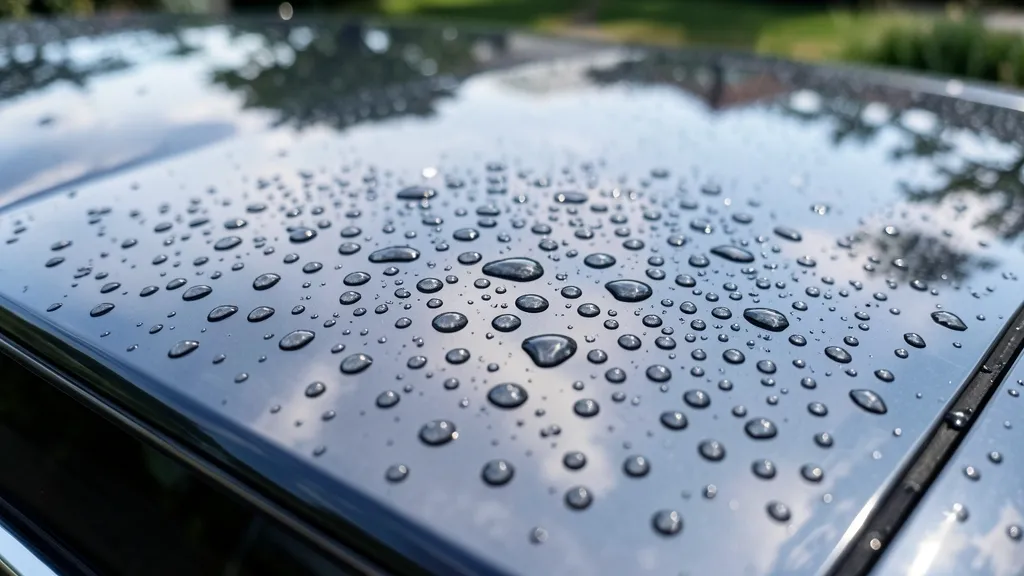
Ever notice how rainwater beads up and rolls right off a freshly ceramic-coated car? That’s hydrophobicity at work—a chemical property that turns your vehicle’s surface into a self-cleaning shield. In Apollo Beach, where salt air and intense sun are daily challenges, this isn’t just science; it’s practical protection for your paint.
What Makes a Ceramic Coating Hydrophobic?
Ceramic coatings rely on nano-ceramic particles, primarily silica (SiO2), to create an ultra-smooth, non-porous layer on your car’s paint. This structure minimizes surface energy, forcing water to bead instead of spreading.
The higher the contact angle (typically 110°+ for premium coatings), the more extreme the beading. In Apollo Beach’s humid climate, this means water—and the contaminants it carries—can’t cling to the surface.
Hydrophobicity vs. Hydrophilicity: Why It Matters for Your Car
Hydrophilic surfaces attract water, causing it to sheet and spread. Hydrophobic surfaces repel it, creating tight beads that roll off. For paint protection, hydrophobicity wins every time.
In areas like Ruskin or Gibsonton, where road grime and bug splatter are common, a hydrophobic coating prevents these contaminants from bonding to your paint, making cleanup a breeze.
| Property | Hydrophobic Surface | Hydrophilic Surface |
|---|---|---|
| Water Interaction | Beads and rolls off | Sheets and spreads |
| Contaminant Adhesion | Low (easy to rinse) | High (sticks to surface) |
| Self-Cleaning Effect | High (dirt lifts with water) | Low (requires scrubbing) |
| Maintenance | Easier (less frequent washing) | Harder (more frequent cleaning) |
The Role of Surface Tension in Keeping Your Car Cleaner
Surface tension is the elastic tendency of water to minimize its surface area. On a hydrophobic coating, this tension pulls water into tight beads, carrying dirt particles away as they roll off.
This is especially valuable in Apollo Beach, where morning dew and sudden rain showers can leave water spots. With a ceramic coating, those spots—and the minerals they contain—don’t stand a chance.
After applying a ceramic coating, use a pH-neutral car shampoo to maintain the hydrophobic effect. Harsh detergents can degrade the coating’s performance over time.
How Ceramic Coatings Resist Contaminants Beyond Water
Hydrophobicity isn’t just about water. The same properties repel oils, road tar, bird droppings, and even tree sap—common nuisances in neighborhoods like Sun City Center or Wimauma.
The coating’s non-stick surface means these substances can’t chemically bond with your paint. A quick rinse or detail spray often removes them without scrubbing.
Does Hydrophobicity Last Forever?
No. Over time, environmental factors like UV exposure, salt air, and frequent washing can degrade the coating’s hydrophobic properties. Most professional-grade coatings last 2–5 years, depending on maintenance and local conditions.
In Apollo Beach, where the sun is intense year-round, reapplying a ceramic boost spray every 6–12 months can extend the life of your coating’s hydrophobicity.
Ceramic Coatings vs. Wax: A Hydrophobicity Showdown
Traditional carnauba wax offers mild hydrophobicity, but it’s short-lived (4–8 weeks) and lacks the durability of ceramic coatings. Wax also can’t withstand Apollo Beach’s salt air or UV rays like a nano-ceramic layer can.
Ceramic coatings provide a harder, longer-lasting hydrophobic barrier. They’re also more resistant to chemicals, heat, and abrasion—critical for fleet or commercial vehicles in Riverview or Wimauma.
Pairing Ceramic Coatings with Other Protective Services
For ultimate protection, combine a ceramic coating with paint correction to remove swirls and scratches before sealing the surface. This ensures the hydrophobic layer bonds to a flawless finish.
Adding Paint Protection Film (PPF) to high-impact areas (like the hood or bumper) provides physical defense against rock chips, while ceramic window tint reduces UV exposure inside the cabin. Even wheel and brake caliper coatings benefit from hydrophobicity, repelling brake dust and road grime.
Services That Enhance Hydrophobicity
- Full-Vehicle Ceramic Coating
- Paint Correction & Polishing
- Paint Protection Film (PPF) Installation
- Ceramic Window Tint
- Wheel & Brake Caliper Ceramic Coating
Local Considerations: Apollo Beach’s Unique Challenges
Apollo Beach’s coastal climate means salt air, high humidity, and intense UV rays—all of which accelerate paint oxidation and contamination. A hydrophobic ceramic coating acts as a first line of defense against these elements.
Nearby areas like Gibsonton and Ruskin share similar conditions, making ceramic coatings a smart investment for drivers who want to preserve their vehicle’s finish and resale value.
Improper application can leave streaks, uneven hydrophobicity, or even damage your paint. Always trust a professional for ceramic coating installation to ensure optimal performance.
How to Test Your Coating’s Hydrophobicity
A simple water test can reveal whether your ceramic coating is still performing at its best.
- 1Gather Supplies
Use a spray bottle with distilled water to avoid mineral deposits that could skew results.
- 2Clean the Surface
Wash and dry a small section of your car’s paint to remove any dirt or existing water spots.
- 3Spray the Water
Mist a few drops of water onto the surface from about 6 inches away.
- 4Observe the Beading
If the water forms tight, round beads that roll off easily, your coating’s hydrophobicity is strong. If the water sheets or flattens, it may be time for a refresh.
- 5Check Multiple Areas
Test different panels, as hydrophobicity can vary due to sun exposure or wear. Pay special attention to horizontal surfaces like the hood and roof.
Frequently Asked Questions
How does hydrophobicity help with self-cleaning in Apollo Beach?
Hydrophobicity causes water to bead and roll off, carrying dirt and contaminants with it. In Apollo Beach’s frequent rain, this means your car stays cleaner between washes, reducing the need for harsh chemicals or scrubbing.
Can a ceramic coating lose its hydrophobicity over time?
Yes. Environmental factors like UV rays, salt air, and improper washing can degrade the coating’s hydrophobic properties. Regular maintenance, such as using pH-neutral shampoos and applying boost sprays, can extend its life.
Is hydrophobicity the same as waterproofing?
No. Hydrophobicity repels water, causing it to bead and roll off, but it doesn’t make the surface waterproof. Waterproofing implies a complete barrier, while hydrophobicity reduces water’s ability to adhere to the surface.
Do ceramic coatings work on all car surfaces, or just paint?
Ceramic coatings can be applied to paint, wheels, brake calipers, glass, and even interior surfaces. Each application enhances hydrophobicity and protection, though the specific product may vary by surface type.
Why do some ceramic coatings bead water better than others?
The quality and concentration of nano-ceramic particles (like silica) determine a coating’s hydrophobicity. Premium coatings with higher SiO2 content and better cross-linking create a more durable, high-contact-angle surface.
Can I apply a ceramic coating myself, or should I hire a professional in Apollo Beach?
While DIY kits exist, professional application ensures even coverage, proper prep (like paint correction), and optimal hydrophobicity. In Apollo Beach, where conditions are tough on paint, a pro’s expertise can make all the difference.