How to Diagnose Water Spots and Streaks on Your Ceramic Coating in Apollo Beach, FL
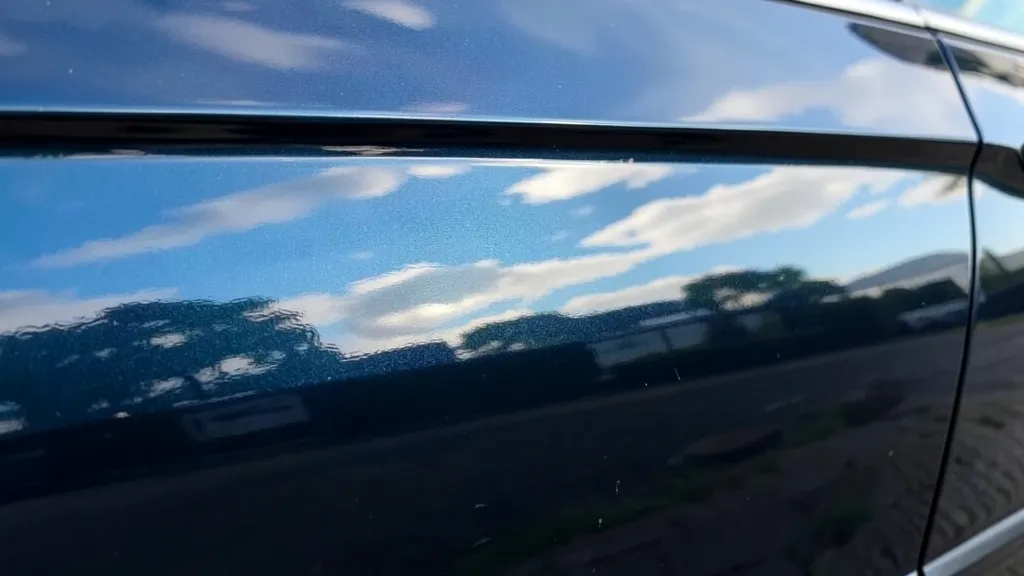
Water spots and streaks on a ceramic-coated vehicle in Apollo Beach often signal contamination or improper maintenance. Our team sees this frequently due to the area’s hard water and salt air. Diagnosing the root cause early prevents long-term damage to your coating’s hydrophobic layer.
Why Water Spots and Streaks Appear on Ceramic Coatings
Ceramic coatings repel water, but they aren’t immune to mineral deposits from hard water—common in Apollo Beach and nearby Riverview. When water evaporates, it leaves behind calcium and magnesium, creating visible spots.
Streaks often form from improper drying techniques or residual soaps. Even high-quality coatings like those we apply in Ceramic Coating Apollo Beach can show these issues if maintenance lags.
Salt air from Tampa Bay accelerates contamination, especially on vehicles in Gibsonton or Ruskin. This can degrade the coating’s self-cleaning properties over time.
Types of Water Spots: Hard vs. Soft Deposits
Soft water spots are surface-level and usually wash off with a pH-neutral car shampoo. These often come from sprinkler overspray or rainwater in Sun City Center’s suburban areas.
Hard water spots etch into the coating, requiring a clay bar or light polish. These form when minerals bond to the surface under Florida’s intense sun, a frequent issue for fleets in Wimauma.
| Type | Appearance | Removal Method | Risk to Coating |
|---|---|---|---|
| Soft | Hazy, light residue | Car wash + detail spray | Low |
| Hard | White, crusty, etched | Clay bar or polish | Moderate to High |
How Humidity and Salt Air Affect Ceramic Coatings in Apollo Beach
Apollo Beach’s coastal climate means high humidity and salt particles cling to your vehicle. These can break down the hydrophobic layer faster than in inland areas.
Salt deposits are abrasive. If left unchecked, they can scratch the coating during washes, much like we see on boats and RVs in Ruskin. Regular decontamination is key.
Never let salt residue sit for more than 48 hours. It can compromise the coating’s integrity, especially on wheels and lower panels.
Signs Your Ceramic Coating Needs Attention
Reduced beading is a red flag. If water no longer sheets off in tight droplets, the coating may be contaminated or nearing the end of its lifespan. This is common after 2-3 years in Apollo Beach’s harsh conditions.
Visible swirls or dullness often mean embedded contaminants. These require paint correction before reapplying any ceramic protection, a service we frequently perform alongside Full-Vehicle Ceramic Coating.
Streaks that reappear after washing suggest soap residue or improper rinsing. Switch to a ceramic-safe shampoo and use the two-bucket method.
Step-by-Step Contamination Check
Start with a thorough rinse to remove loose dirt. Apollo Beach’s dusty roads, especially near Wimauma, can leave a gritty film that masks water spots.
Run your fingers over the surface in a plastic bag. If it feels rough, contamination is present. This ‘bag test’ is a pro trick we use before Paint Correction & Polishing.
Contamination Detection Kit
- pH-neutral car shampoo
- Microfiber wash mitts
- Clay bar and lubricant
- Detail spray for final inspection
When to Call a Professional for Ceramic Coating Repair
If water spots resist clay bar treatment, the coating may need a light polish to restore clarity. This is delicate work—DIY attempts can damage the coating further.
For severe etching or coating failure, we often recommend stripping and reapplying the ceramic layer. This is common for vehicles in Gibsonton exposed to industrial fallout.
Pairing Paint Protection Film (PPF) with ceramic coatings adds an extra shield against water spots and scratches. Many of our clients in Riverview opt for this combo.
Always test a small area first when using polishes or compounds. Ceramic coatings vary in hardness, and aggressive products can strip them.
Preventing Future Water Spots in Apollo Beach’s Climate
Rinse your vehicle immediately after rain or sprinkler exposure. Apollo Beach’s water is notoriously hard, and quick action prevents mineral bonding.
Apply a ceramic boost spray every 3-4 months. This refreshes hydrophobic properties, especially for vehicles parked near Tampa Bay’s salt air.
Consider Ceramic Window Tint to reduce water spot visibility on glass. It’s a popular add-on for clients in Sun City Center who want low-maintenance protection.
How to Remove Water Spots from Ceramic Coating
Follow these steps to safely restore your coating’s clarity without damaging its protective layer.
- 1Pre-Wash Rinse
Use a pressure washer or hose to remove loose dirt. Focus on lower panels where salt and grime accumulate in Apollo Beach.
- 2pH-Neutral Wash
Wash with a ceramic-safe shampoo and microfiber mitts. Avoid automatic car washes with harsh brushes.
- 3Clay Bar Decontamination
Lubricate the surface and gently glide a clay bar to pick up embedded contaminants. Re-lubricate frequently.
- 4Inspect and Dry
Use a detail spray and microfiber towel to dry. Check for remaining spots under direct sunlight.
- 5Spot Treatment
For hard water spots, apply a water spot remover or light polishing compound. Buff with a dual-action polisher if needed.
- 6Seal and Protect
Apply a ceramic boost spray or quick detailer to restore hydrophobic properties. This step is critical in high-humidity areas like Ruskin.
Frequently Asked Questions
Can water spots permanently damage my ceramic coating in Apollo Beach?
Hard water spots can etch the coating if left untreated, but they rarely penetrate deep enough to ruin it. Prompt removal restores protection. For severe cases, a light polish may be needed to refresh the surface.
How often should I wash my car to prevent water spots in Apollo Beach?
We recommend washing every 1-2 weeks, especially if your vehicle is parked outside. Apollo Beach’s hard water and salt air demand frequent decontamination to maintain the coating’s performance.
Is it safe to use vinegar to remove water spots from ceramic coating?
No. Vinegar is acidic and can degrade the ceramic layer over time. Stick to pH-neutral cleaners or products specifically designed for ceramic coatings, like those we use in our Ceramic Coating Apollo Beach services.
Why do I see more water spots on my wheels after ceramic coating?
Wheels are exposed to brake dust, road grime, and high heat, which accelerate contamination. We often apply Wheel & Brake Caliper Ceramic Coating for added protection in areas like Gibsonton, where roads are dusty.
Does ceramic window tint help with water spots on glass?
Yes. Ceramic Window Tint repels water and reduces mineral buildup, making it easier to clean. It’s a smart upgrade for drivers in Sun City Center or Riverview who want to minimize maintenance.
What’s the difference between water spots and coating failure?
Water spots are surface contaminants, while coating failure involves peeling, hazing, or complete loss of hydrophobic properties. If your coating no longer beads water, it may need reapplication—common after 2-3 years in Florida’s climate.