DIY vs. Professional Ceramic Coating: What Apollo Beach Drivers Need to Know in Ceramic Coating Apollo Beach, FL
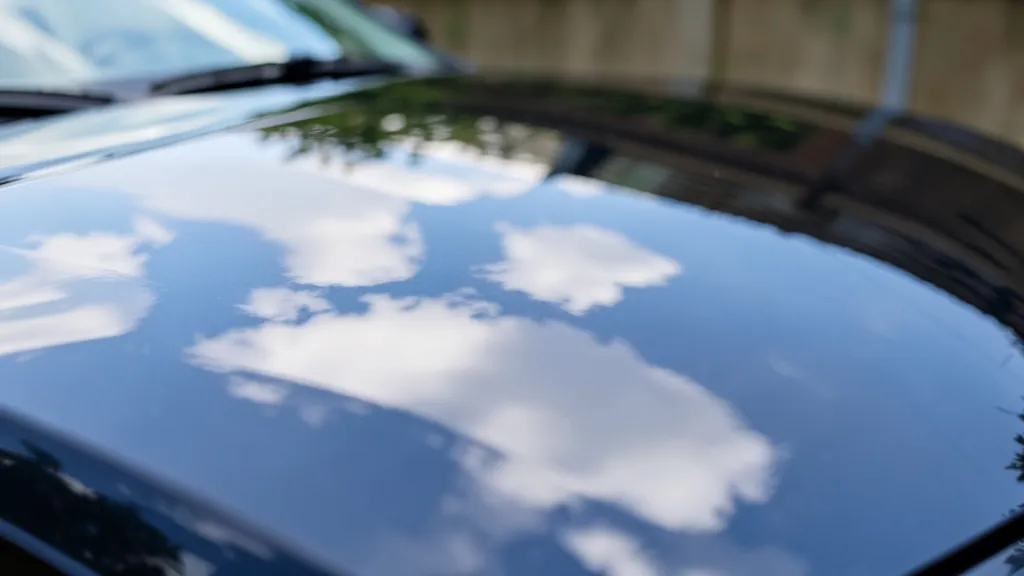
Apollo Beach’s salty air and intense sun can wreck a vehicle’s finish fast. We see firsthand how DIY ceramic coatings often fall short under these conditions, while professional applications deliver lasting protection and gloss. Here’s the real breakdown of what works—and what doesn’t—on local roads.
Why Ceramic Coatings Matter in Apollo Beach’s Climate
Florida’s UV index and humidity accelerate paint oxidation, fading, and water spotting. A quality ceramic coating forms a nano-ceramic barrier that repels contaminants and resists UV damage far better than wax or sealants.
Salt air from Tampa Bay etches clear coat over time. Only a professionally applied, high-Sio2-content coating can withstand this environment long-term without degrading.
DIY Kits: The Limitations You’re Not Told
Consumer-grade DIY kits typically contain 10-30% active ceramic polymers, compared to 70-90% in pro formulations. This means thinner layers, weaker hydrophobicity, and shorter lifespans—often just 6-12 months.
Without proper paint correction first, DIY coatings lock in swirl marks and scratches. Many Apollo Beach drivers apply over contaminated surfaces, leading to premature failure.
Some DIY products market ‘9H hardness’—but without professional prep and layering, the actual protection is minimal. Hardness ratings are lab-tested on ideal surfaces, not real-world vehicles.
Professional Application: Precision and Longevity
Our team starts with multi-stage paint correction to remove defects, ensuring the coating bonds to a flawless surface. This step alone separates pro results from DIY attempts.
We apply coatings in controlled environments, often using infrared curing lamps to accelerate cross-linking. This creates a denser, more durable layer that can last 3-5 years or more, even in Apollo Beach’s harsh conditions.
Cost Comparison: DIY vs. Professional Ceramic Coating
Upfront, DIY kits cost less—but factor in the need for paint correction tools, polishes, and potential reapplication. Many end up spending more over time to fix mistakes.
Professional coatings involve labor, high-grade materials, and warranty-backed service. The investment pays off in durability, resale value, and reduced maintenance.
| Factor | DIY Ceramic Coating | Professional Ceramic Coating |
|---|---|---|
| Material Quality | 10-30% active polymers | 70-90% active polymers |
| Prep Work | Minimal or none | Full paint correction |
| Durability | 6-12 months | 3-5+ years |
| Hydrophobicity | Moderate | Extreme (beading & sheeting) |
| UV Protection | Basic | High (blocks 99% of UV rays) |
| Warranty | None | Typically 2-5 years |
| Application Environment | Driveway/garage (dust, humidity) | Controlled indoor facility |
The Hidden Risks of DIY Application
Improper application can cause high spots, streaks, or uneven curing. In Apollo Beach’s humidity, this often leads to water spotting under the coating that’s impossible to remove without stripping it.
DIYers also risk applying too thin a layer, reducing protection against bird droppings, tree sap, and industrial fallout—common issues near I-75 and local marinas.
If you’re tempted to DIY, test the product on a small, hidden panel first. Many budget kits react poorly with certain clear coats or aftermarket paints.
What Apollo Beach Drivers Gain with Professional Coatings
Beyond paint, we offer ceramic protection for wheels, brake calipers, and glass. These areas take a beating from road salt, brake dust, and sand—especially in neighborhoods like MiraBay or Waterset.
For commercial fleets in Ruskin or Riverview, we provide tailored ceramic solutions to reduce downtime and maintenance costs. A single professional coating can outlast multiple DIY attempts.
Ceramic Coatings and Complementary Services
Pairing a ceramic coating with paint protection film (PPF) offers the ultimate defense. PPF handles rock chips and deep scratches, while the coating adds hydrophobicity and UV resistance.
We also recommend ceramic window tint for heat rejection and interior ceramic protection to shield dashboards and leather from cracking under Florida’s sun.
Maximize Your Coating’s Lifespan
- Wash with pH-neutral shampoo every 2 weeks
- Avoid automatic car washes with harsh brushes
- Use a ceramic-safe quick detailer for maintenance
- Reapply a ceramic boost spray every 6 months
- Address bird droppings or sap immediately to prevent etching
How Long Does a Professional Coating Last Here?
In Apollo Beach, expect 3-5 years from a pro-grade coating with proper care. The salty air and sun can shorten this slightly, but regular maintenance extends longevity.
DIY coatings? Most local drivers see visible degradation within a year, especially if the car sits outside near the water or in unshaded areas like Sun City Center.
How to Choose Between DIY and Professional Ceramic Coating
Not sure which route is right for your vehicle? Follow these steps to decide.
- 1Assess Your Vehicle’s Condition
Check for swirl marks, oxidation, or deep scratches. If your paint needs correction, DIY coatings will amplify flaws.
- 2Evaluate Your Environment
Apollo Beach’s salt air, sun, and humidity demand high-performance protection. DIY kits often can’t handle these extremes.
- 3Consider Your Long-Term Goals
Planning to keep your car for years? A pro coating preserves resale value. Just want short-term shine? DIY might suffice.
- 4Review Your Budget and Time
DIY saves upfront but requires tools, time, and skill. Pros deliver turnkey results with warranties.
- 5Research Local Options
Compare pro services in Apollo Beach, Ruskin, or Gibsonton. Look for teams that offer paint correction, multi-layer coatings, and post-application support.
- 6Request a quote
Cost varies by vehicle size, condition, and coating type. A consultation reveals the best approach for your needs.
Frequently Asked Questions
Can I apply a professional-grade ceramic coating myself?
Technically yes, but most pro-grade coatings require precise prep, controlled environments, and experience to avoid mistakes. Even small errors can ruin the finish, especially in humid climates like Apollo Beach.
How much does professional ceramic coating cost in Apollo Beach?
Pricing depends on vehicle size, paint condition, and coating tiers. Full paint correction, multi-layer applications, and add-ons like PPF or wheel coatings also factor in. Request a quote for an accurate estimate.
Will a ceramic coating prevent all scratches and chips?
No coating is scratch-proof. Ceramic coatings resist light scratches and swirls, but deep scratches or rock chips require paint protection film (PPF) for full defense. Many Apollo Beach drivers combine both for maximum protection.
Do ceramic coatings work on older cars with faded paint?
Yes, but only after paint correction. Faded or oxidized paint must be restored first; otherwise, the coating will seal in the damage. Our team often handles this for older vehicles in Riverview or Wimauma.
How do I maintain my ceramic coating in Apollo Beach’s climate?
Use pH-neutral car shampoo, avoid abrasive wash methods, and apply a ceramic boost spray every 6 months. Address contaminants like bird droppings or salt spray immediately to prevent etching.
Is ceramic coating worth it for a daily driver in Apollo Beach?
Absolutely. Daily drivers face the most exposure to UV rays, salt, and road grime. A professional coating reduces washing time, protects resale value, and keeps your car looking newer longer—critical in our harsh Florida climate.