How Ceramic Coatings Reduce Waste and Water Use in Apollo Beach in Ceramic Coating Apollo Beach, FL
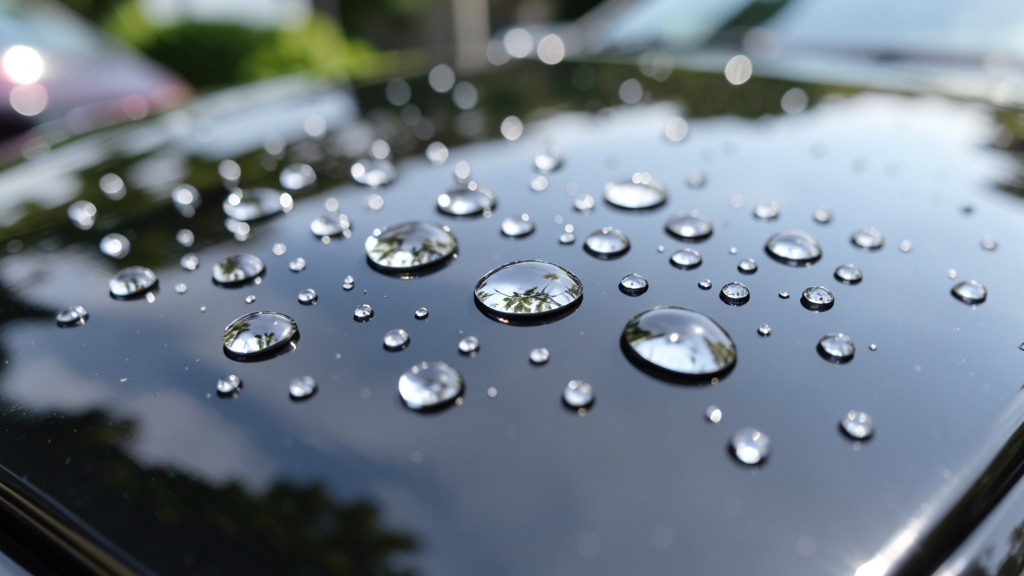
Apollo Beach drivers know the toll our humidity, salt air, and intense sun take on a vehicle’s finish. We use ceramic coatings to shield paint while slashing the water, chemicals, and elbow grease needed to keep cars looking new.
Why Apollo Beach’s Climate Demands Smarter Protection
Salt spray from Tampa Bay accelerates oxidation and etches clear coat. Humidity keeps surfaces wet longer, inviting water spots and mineral deposits that traditional waxes can’t prevent.
Ceramic coatings form a hydrophobic, glass-like layer that repels water, salt, and contaminants—critical in our coastal environment. This means fewer washes and less reliance on harsh detergents to undo the damage.
Less Water, Fewer Washes, Zero Compromise
A properly applied ceramic coating beaded water so effectively that a rinse or light mist often removes dirt. Owners in Ruskin and Riverview report cutting wash frequency by 50–70%.
Each skipped wash saves 40–100 gallons of water. Over a coating’s 2–5 year lifespan, that’s thousands of gallons per vehicle—without sacrificing cleanliness or shine.
Chemical Runoff and the Bay: A Local Concern
Traditional car washes send phosphates, surfactants, and microplastics into storm drains that feed Tampa Bay. Ceramic-coated surfaces need only pH-neutral soap, and far less of it.
In Gibsonton and Sun City Center, where runoff flows directly into sensitive estuaries, this reduction in chemical load helps protect marine life and water quality.
For coated vehicles, we recommend a two-bucket method with grit guards and a high-quality microfiber wash mitt to minimize contamination.
Ceramic Coatings vs. Traditional Wax: Environmental Impact
Natural carnauba wax lasts 4–8 weeks and requires frequent reapplication, each time using water, polishes, and solvents. Synthetic sealants last longer but still demand regular maintenance.
Ceramic coatings, with their SiO2 or TiO2 bases, bond permanently to paint. They eliminate the need for repeated waxing, cutting long-term chemical use dramatically.
| Method | Water Use | Chemical Use | Reapplication Frequency |
|---|---|---|---|
| Carnauba Wax | High (monthly washes + prep) | High (polishes, solvents) | Every 1-2 months |
| Synthetic Sealant | Moderate (quarterly washes) | Moderate (prep compounds) | Every 4-6 months |
| Ceramic Coating | Low (occasional rinse) | Very Low (pH-neutral soap only) | None (lasts 2-5+ years) |
Long-Term Paint Preservation Means Less Refurbishing Waste
UV rays and oxidation degrade clear coat over time, leading to costly paint corrections or resprays. These processes generate hazardous sludge, used solvents, and discarded materials.
A ceramic coating blocks 99% of UV rays, slowing fade and oxidation. This extends the life of the original paint, reducing the need for invasive refinishing in Wimauma or Riverview.
For areas prone to rock chips, like hoods and bumpers, combining a ceramic coating with paint protection film offers the ultimate defense with minimal environmental trade-offs.
Beyond the Paint: Full-Vehicle Eco-Upgrades
We apply ceramic coatings to wheels, brake calipers, and glass to reduce brake dust buildup and improve visibility in rain. This means less frequent wheel cleanings with acidic brake dust removers.
Interior ceramic protection resists stains and UV fading, cutting the need for vinyl and leather conditioners that often contain silicones and petroleum distillates.
What Apollo Beach Drivers Should Know Before Coating
Not all coatings are equal. Consumer-grade products lack the durability and hydrophobic performance of professional-grade ceramics. Proper prep, including paint correction, is essential for bonding and longevity.
Our team serves Apollo Beach, Ruskin, and Sun City Center with coatings engineered for Florida’s extreme conditions—high humidity, UV index, and salt exposure.
Pre-Coating Essentials
- Full decontamination (clay bar, iron remover)
- Paint correction to remove swirls and oxidation
- Panel-by-panel application in a dust-controlled environment
- 24–48 hour curing time before exposure to rain or moisture
How to Maintain a Ceramic-Coated Car with Minimal Environmental Impact
A few simple habits keep your coating performing optimally while reducing waste.
- 1Rinse First, Wash Second
Use a pressure nozzle or foam cannon to remove loose dirt before touching the surface. This prevents swirls and cuts soap use.
- 2Use pH-Neutral Soap
Avoid dish soaps or high-alkaline shampoos. These strip coatings and require more water to rinse clean.
- 3Dry with a Blower or Waffle-Weave Towel
Prevent water spots by blowing off water with a leaf blower or using a plush microfiber towel. No need for additional sprays.
- 4Spot Clean as Needed
For bird droppings or tar, use a dedicated ceramic-safe detailer spray and microfiber cloth instead of a full wash.
- 5Reapply a Top-Up Spray Annually
A SiO2 boost spray restores hydrophobicity without a full re-coat, extending the life of your original application.
Frequently Asked Questions
Does a ceramic coating eliminate the need for car washes entirely in Apollo Beach?
No, but it drastically reduces frequency. Heavy salt buildup after a storm or long road trips may still require a wash. However, most owners find they can go weeks between washes instead of days.
Are ceramic coatings safe for all paint types, including older vehicles in Riverview or Wimauma?
Yes, but older or heavily oxidized paint may need extensive correction before coating. We assess each vehicle to ensure the surface is sound and properly prepped for bonding.
How does a ceramic coating compare to paint protection film (PPF) in terms of environmental benefits?
PPF offers superior physical protection against chips and scratches but requires more intensive installation and eventual replacement. Ceramic coatings last longer without replacement and reduce maintenance needs. Many drivers combine both for optimal results.
Will a ceramic coating prevent water spots in Apollo Beach’s hard water?
It significantly reduces them. The hydrophobic surface causes water to bead and roll off, minimizing mineral deposits. For stubborn spots, a quick detailer spray often removes them without a full wash.
Can I apply a ceramic coating myself, or should I hire a professional for Ceramic Coating Apollo Beach?
DIY kits exist, but professional application ensures proper prep, even coverage, and longevity. Mistakes in prep or application can lead to premature failure, wasting time and materials.
Does ceramic window tint offer the same environmental benefits as paint coatings?
Yes. Ceramic window tint reduces heat gain, lowering A/C use and fuel consumption. It also repels water and contaminants, making windows easier to clean with less frequency and fewer chemicals.