How to Clean Wheels and Tires Without Damaging Your Ceramic Coating in Apollo Beach in Ceramic Coating Apollo Beach, FL
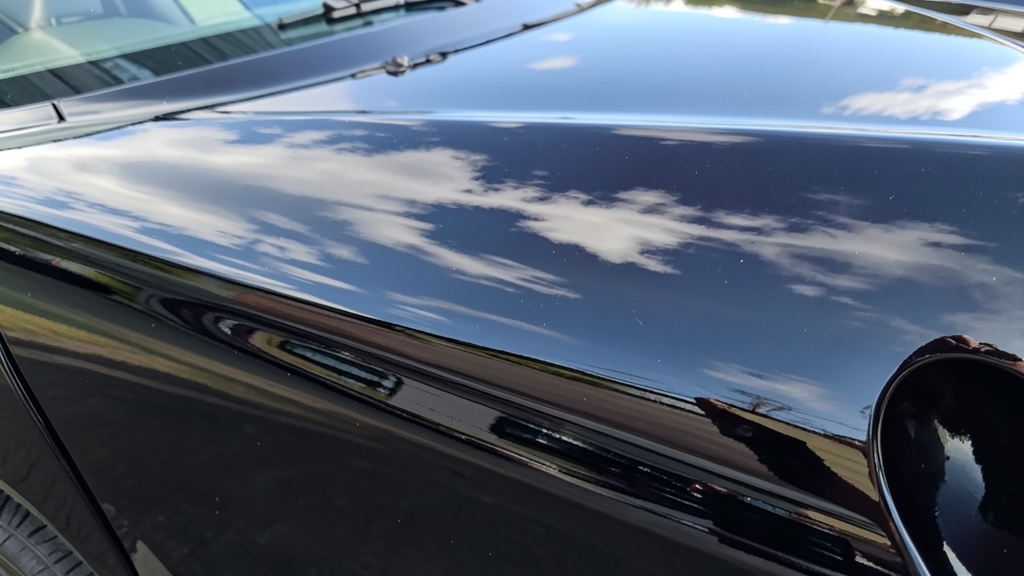
Ceramic coatings on wheels and tires repel brake dust and grime, but the wrong cleaner or tool can strip or etch the surface. In Apollo Beach, salt air and humidity demand extra care to maintain that glossy, protected finish. We’ll show you how to clean safely without compromising your investment.
Why Wheels and Tires Need Special Care with Ceramic Coating
Wheels and tires endure brake dust, road salt, and high heat—all enemies of ceramic coatings. Apollo Beach’s coastal air accelerates corrosion, making proper cleaning non-negotiable.
Ceramic coatings on wheels are thinner than body panels, so harsh chemicals or abrasive brushes can degrade them faster. Tires, often uncoated, still need gentle products to avoid slinging contaminants onto coated surfaces.
Wheel acids and strong degreasers can break down ceramic coatings. Stick to pH-neutral or coating-safe formulas to prevent premature failure.
Essential Tools and Products for Safe Cleaning
Use a pH-neutral wheel cleaner (e.g., Sonax Full Effect or CarPro Iron X) to lift brake dust without harming the coating. Microfiber wash mitts and soft-bristle brushes prevent micro-scratches.
A foam cannon pre-soaks wheels, loosening grime before contact. For tires, a water-based dressing (like CarPro PERL) won’t harm nearby coated surfaces.
Two buckets—one for wheels, one for paint—prevent cross-contamination. Apollo Beach’s dusty roads make this step critical to avoid swirl marks.
Safe Cleaning Kit
- pH-neutral wheel cleaner
- Microfiber wash mitts and towels
- Soft-bristle wheel brush (boar’s hair or synthetic)
- Iron remover spray
- Foam cannon (optional but recommended)
- Water-based tire dressing
- Two separate buckets with grit guards
Step-by-Step: Pre-Wash and Decontamination
Rinse wheels and tires with cool water to remove loose debris. Hot water can cause thermal shock to ceramic coatings, especially on freshly driven wheels.
Apply iron remover spray to wheels and let it dwell for 2–3 minutes. The purple reaction signals brake dust dissolution—common in Apollo Beach’s stop-and-go traffic areas.
Use a foam cannon to apply a thick layer of pH-neutral soap. Let it sit for 5 minutes to break down embedded grime before scrubbing.
Brushing Techniques to Protect Your Coating
Use a dedicated wheel brush with soft bristles for barrel and face cleaning. Avoid stiff brushes—they can scratch ceramic coatings, especially on matte or satin finishes.
For tire sidewalls, a separate tire brush with slightly firmer bristles is safe, but keep it away from coated wheel lips. Apollo Beach’s sandy roads can embed grit in tires, so brush gently.
Work in straight lines, not circles, to minimize swirl marks. Ceramic coatings hide minor scratches less than paint correction can, but prevention is key.
Never use the same mitt for wheels and paint. Wheel mitts accumulate heavy brake dust that can scratch body panels, even with ceramic coatings.
Rinsing and Drying: The Final Defense
Rinse wheels thoroughly with a pressure washer (1,500–2,500 PSI max). Hold the nozzle 12–18 inches away to avoid stripping coatings or forcing water behind wheel lips.
Use a microfiber drying towel to pat wheels dry. Compressed air can blow out water from lug nut holes, but avoid spinning wheels—Apollo Beach’s humidity can spot coatings if left wet.
Apply a ceramic-boosting spray (like CarPro Elixir) after drying to refresh hydrophobicity. This step extends the coating’s life, especially in Florida’s harsh UV and salt exposure.
Common Mistakes That Ruin Ceramic Coatings on Wheels
Using dish soap or household cleaners strips ceramic coatings of their hydrophobic properties. Even a single wash with Dawn can reduce beading for weeks.
Scrubbing dry wheels with a brush cements brake dust into the coating. Always pre-soak—Apollo Beach’s fine sand can act like sandpaper if not rinsed first.
Letting wheel cleaner dry on the surface creates water spots and can etch coatings. Work in sections and rinse immediately after cleaning.
| Method | Safe for Ceramic Coating? | Notes |
|---|---|---|
| pH-neutral wheel cleaner | Yes | Gently removes brake dust without stripping |
| Acidic wheel cleaner | No | Breaks down ceramic bonds over time |
| Boar’s hair brush | Yes | Soft bristles prevent micro-scratches |
| Steel wool or abrasive pads | No | Scratches coating and underlying clear coat |
| Pressure washer (proper distance) | Yes | Safe at 12–18 inches; avoids coating damage |
| Automatic car wash brushes | No | Abrasive and often use harsh chemicals |
Maintaining Coated Wheels in Apollo Beach’s Climate
Florida’s UV rays and salt air degrade coatings faster. Reapply a ceramic boost spray every 3–4 months to maintain protection, especially if you drive near Tampa Bay.
Wash wheels weekly to prevent brake dust buildup. In Apollo Beach, pollen and bug splatter in spring can also bond to coatings if left untreated.
Consider ceramic coating your brake calipers too—it eases cleaning and resists heat discoloration. We offer this service for Ruskin, Gibsonton, and Riverview clients as well.
How to Clean Ceramic-Coated Wheels in 5 Steps
Follow this method to safely remove brake dust and grime without damaging your coating.
- 1Pre-Rinse
Use cool water to rinse wheels and tires, removing loose debris. Avoid hot water to prevent thermal stress on the coating.
- 2Apply Iron Remover
Spray an iron-removing product (like P&S Brake Buster) on wheels and let it dwell for 2–3 minutes until it turns purple.
- 3Foam and Scrub
Apply pH-neutral foam via cannon or bucket. Use a soft brush to agitate wheel faces and barrels, then rinse thoroughly.
- 4Clean Tires Separately
Use a dedicated tire brush and water-based dressing. Avoid silicone-based products that can sling onto coated wheels.
- 5Dry and Protect
Pat wheels dry with a microfiber towel, then apply a ceramic boost spray to refresh hydrophobic properties.
Frequently Asked Questions
Can I use the same soap for wheels and paint if both have ceramic coating?
No. Wheel soap must handle brake dust and iron particles, which are harsher than typical paint contaminants. Use a dedicated wheel cleaner, even if both surfaces are coated. Cross-contamination risks scratching.
How often should I clean my ceramic-coated wheels in Apollo Beach?
Weekly washing is ideal due to salt air, pollen, and brake dust. If you drive daily in areas like Ruskin or Gibsonton, stick to this schedule to prevent buildup that’s harder to remove.
Will a pressure washer damage my wheel ceramic coating?
Not if used correctly. Keep the nozzle 12–18 inches away and use a 25–40° tip. Higher PSI or closer distance can strip coatings or force water behind wheel lips, causing corrosion.
What’s the best way to remove tar or adhesive from coated wheels?
Use a plastic razor blade or a dedicated tar remover (like Turtle Wax Bug & Tar Remover). Avoid petroleum-based solvents, which can degrade ceramic coatings. Always test on a small area first.
Do I need to reapply ceramic coating on wheels more often than the car body?
Yes. Wheels endure more abuse from brake dust, heat, and road debris. While body coatings last 2–5 years, wheel coatings may need reapplication every 1–2 years, depending on driving habits and climate.
Can I use a clay bar on ceramic-coated wheels?
Only if necessary—and with extreme caution. Clay bars can mar ceramic coatings if not lubricated properly. Use a dedicated iron remover first; clay should be a last resort for embedded contaminants.